


Fast fashion has become a major part of the global clothing market due to its low prices and rapid trend turnover. At the same time, it is widely criticised for contributing to textile waste, environmental pollution, unethical labour practices and unsustainable production methods. As awareness of these issues increases, slow fashion has gained attention as an alternative approach, offering more positive effects to brands, consumers and our Earth. This article explores the concept, its core principles and why it matters.
What Is Slow Fashion?
Slow fashion is a fashion approach that emphasises quality, durability, ethical production and responsible resource use, while deliberately slowing down the pace of design, manufacturing and consumption. Instead of producing large volumes of trend-driven garments, slow fashion focuses on creating well-made clothing designed to last, both physically and stylistically.
The concept of slow fashion also encourages consumers to buy fewer items, make more intentional choices and extend the life of their garments. It treats clothing as a long-term investment rather than a disposable product, placing equal importance on how garments are produced and how they are worn and cared for.
Core Principles of Slow Fashion
The philosophy of slow fashion is built around a set of defining characteristics that guide both brands and consumers. These principles explain why slow fashion differs fundamentally from conventional mass-market fashion.
1. Quality and Durability over Volume
One of the central principles of slow fashion is the prioritisation of quality over quantity. Garments are designed with durable fabrics, careful construction and attention to detail, ensuring they can withstand repeated wear and washing.
Rather than releasing frequent collections, slow fashion brands typically produce fewer pieces with longer lifespans. This reduces overproduction and encourages consumers to value clothing for its longevity instead of its novelty.
2. Ethical Labor and Fair Production Conditions
Slow fashion places strong emphasis on ethical labour practices. This includes fair wages, safe working environments and reasonable working hours for everyone involved in the production process.
Unlike fast fashion’s complex and often opaque supply chains, slow fashion aims to support human-centred production, recognising garment workers as skilled contributors rather than interchangeable labour.
3. Responsible Material Sourcing
Material choice plays a critical role in slow fashion. Brands often prioritise natural, recycled or responsibly sourced fibres, selected for their durability and lower environmental impact.
Responsible sourcing also means considering how materials are produced, processed and disposed of. The goal is to reduce waste, limit harmful chemicals and use resources more efficiently throughout a garment’s life cycle.
4. Transparency across the Supply Chain
Transparency is a defining feature of slow fashion. Brands are expected to provide clear information about where garments are made, who makes them and how materials are sourced.
This openness allows consumers to make informed decisions and helps build trust. Transparency also acts as a safeguard against greenwashing by aligning claims with verifiable practices.
Slow Fashion vs Fast Fashion
Slow fashion did not emerge as a trend, but as a response to the growing environmental and social costs of mass-produced clothing.
The term slow fashion gained visibility in the late 2000s, inspired by the broader slow movement (such as slow food), which advocates for thoughtful production, respect for people and long-term sustainability. As fast fashion brands accelerated production cycles, releasing new collections weekly and encouraging constant consumption, slow fashion developed as a counter-model focused on restoring balance to the fashion system.
At a structural level, the two approaches differ in how clothing is designed, produced, priced and consumed.
| Aspect | Slow Fashion | Fast Fashion |
|---|---|---|
| Production speed | Deliberate, slower production cycles | Extremely fast, trend-driven cycles |
| Volume | Limited quantities or made-to-order | Mass production at high volumes |
| Design focus | Timeless styles and longevity | Short-lived trends |
| Material use | Durable, responsibly sourced materials | Low-cost, often synthetic materials |
| Labor conditions | Emphasis on fair wages and safe workplaces | Frequently criticised for unethical labor |
| Environmental impact | Reduced waste and resource use | High waste and pollution levels |
| Consumer mindset | Buy less, wear longer | Buy more, replace often |
In short, fast fashion prioritises speed and affordability, while slow fashion prioritises durability, responsibility and long-term value.
How to Identify Slow Fashion Brands
With the growing popularity of ethical and sustainable fashion, many brands claim to follow slow fashion principles. However, not all claims reflect meaningful action. Identifying genuine slow fashion brands requires looking beyond marketing language and focusing on verifiable characteristics.
Below are the four reliable indicators to assess whether a brand truly aligns with slow fashion values. You can also check out our list of 15 Best Sustainable Men's Clothing Brands.
1. Production Transparency and Supply Chain Disclosure
One of the strongest signals of slow fashion is transparency. Brands committed to slow fashion clearly communicate where their garments are made, who produces them and under what conditions.
This information may include factory locations, production partners or explanations of manufacturing processes. Transparency allows consumers to evaluate credibility and reduces the risk of vague or misleading sustainability claims.
2. Materials, Construction Quality and Durability Signals
Slow fashion brands prioritise materials chosen for longevity, not just cost efficiency. This often includes natural fibres, responsibly sourced fabrics or recycled materials selected for durability.
Construction quality is equally important. Indicators such as reinforced seams, quality stitching and thoughtful pattern design suggest garments are made to last. Durable construction reduces the need for frequent replacement and supports long-term wear.

3. Pricing Logic and Value Over Time
Pricing can also reveal whether a brand follows slow fashion principles. While slow fashion garments often cost more upfront, the price typically reflects fair labour, quality materials and lower production volumes.
Rather than focusing on low initial cost, slow fashion encourages evaluating cost per wear - the value a garment delivers over its usable life. A higher-quality item worn for years often proves more economical than repeatedly replacing cheaper alternatives.
4. Fit, Customization and Waste Reduction Approach
Many slow fashion brands adopt production methods that reduce waste, such as made-to-order models, tailored garments, limited runs or customised sizing. These approaches minimise overproduction and unsold inventory.
Attention to fit also plays a role. Garments designed to fit well are more likely to be worn frequently and kept longer, reducing overall consumption. Customisation and adaptable designs further support a more intentional and sustainable wardrobe.

How to Build a Slow Fashion Wardrobe
Slow fashion is suitable for anyone who wants to reduce unnecessary consumption, invest in longer-lasting clothing and make more informed decisions, regardless of personal style, gender or lifestyle.
Rather than requiring a complete wardrobe overhaul, slow fashion encourages a gradual and intentional approach, allowing individuals to align their clothing choices with quality, practicality and long-term wear.
Prioritising Fewer, Better Garments
A slow fashion wardrobe starts with the principle of owning fewer pieces that serve multiple purposes. Instead of buying clothing frequently, the focus shifts to selecting garments that are versatile, well-made and relevant across different settings.
For example, you can consider investing in:
- A well-constructed suit, jacket or coat suitable for multiple seasons.
- High-quality trousers or denim that maintain their shape over time.
- Shirts or knitwear made from durable, breathable fabrics.

By prioritising quality, each item plays a clearer role in the wardrobe, reducing redundancy and impulse purchases.
Find out How to Choose Your Perfect Coat
Choosing Timeless Designs over Seasonal Trends
Timeless design is central to slow fashion. Garments with classic silhouettes, neutral colours and balanced proportions are less likely to feel outdated and can be worn year after year.
Instead of reacting to short-lived trends, slow fashion encourages choosing pieces that integrate easily with existing clothing. A simple blazer, a tailored shirt or a well-fitted pair of shoes can form the foundation of many outfits, supporting a cohesive and versatile wardrobe.
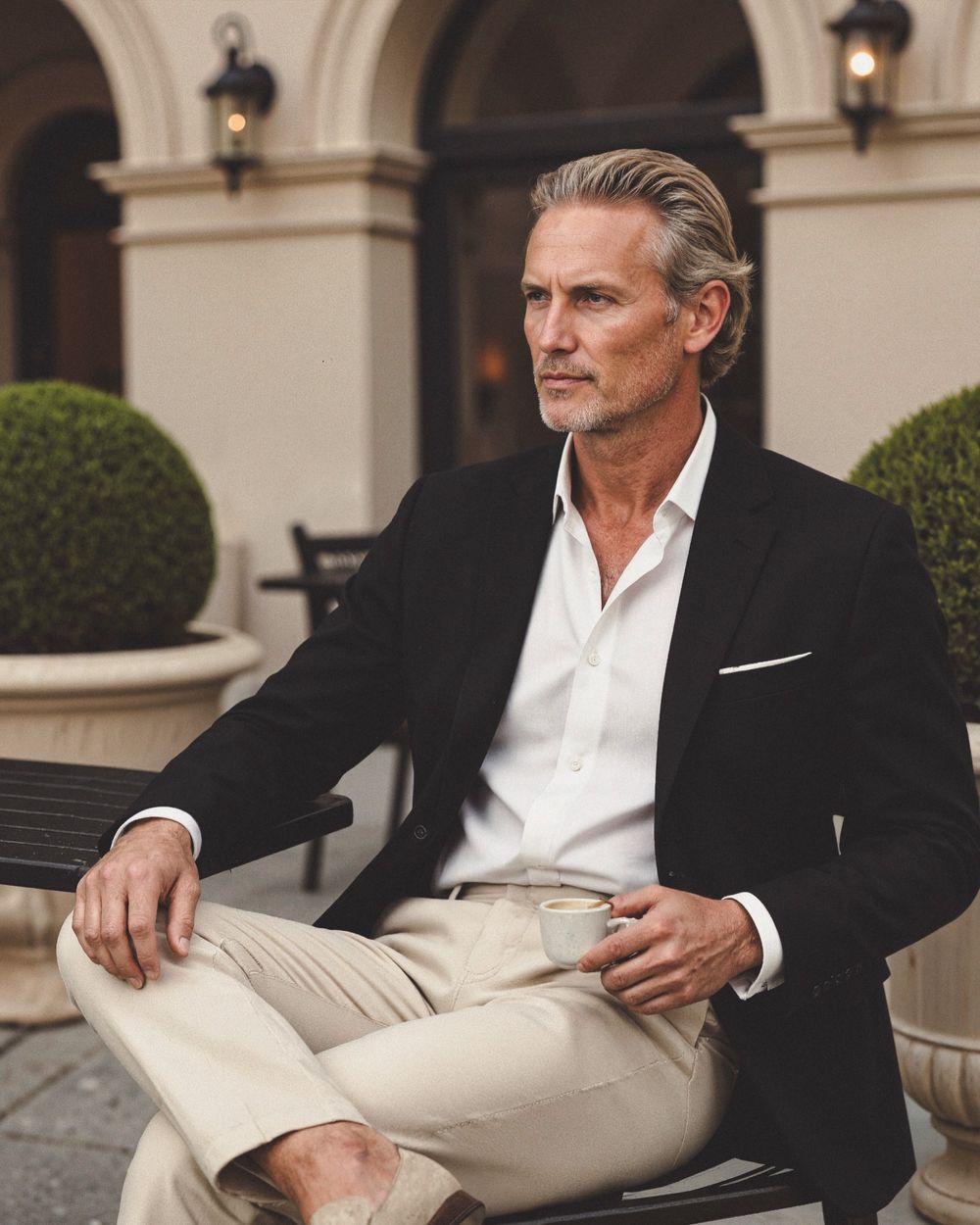
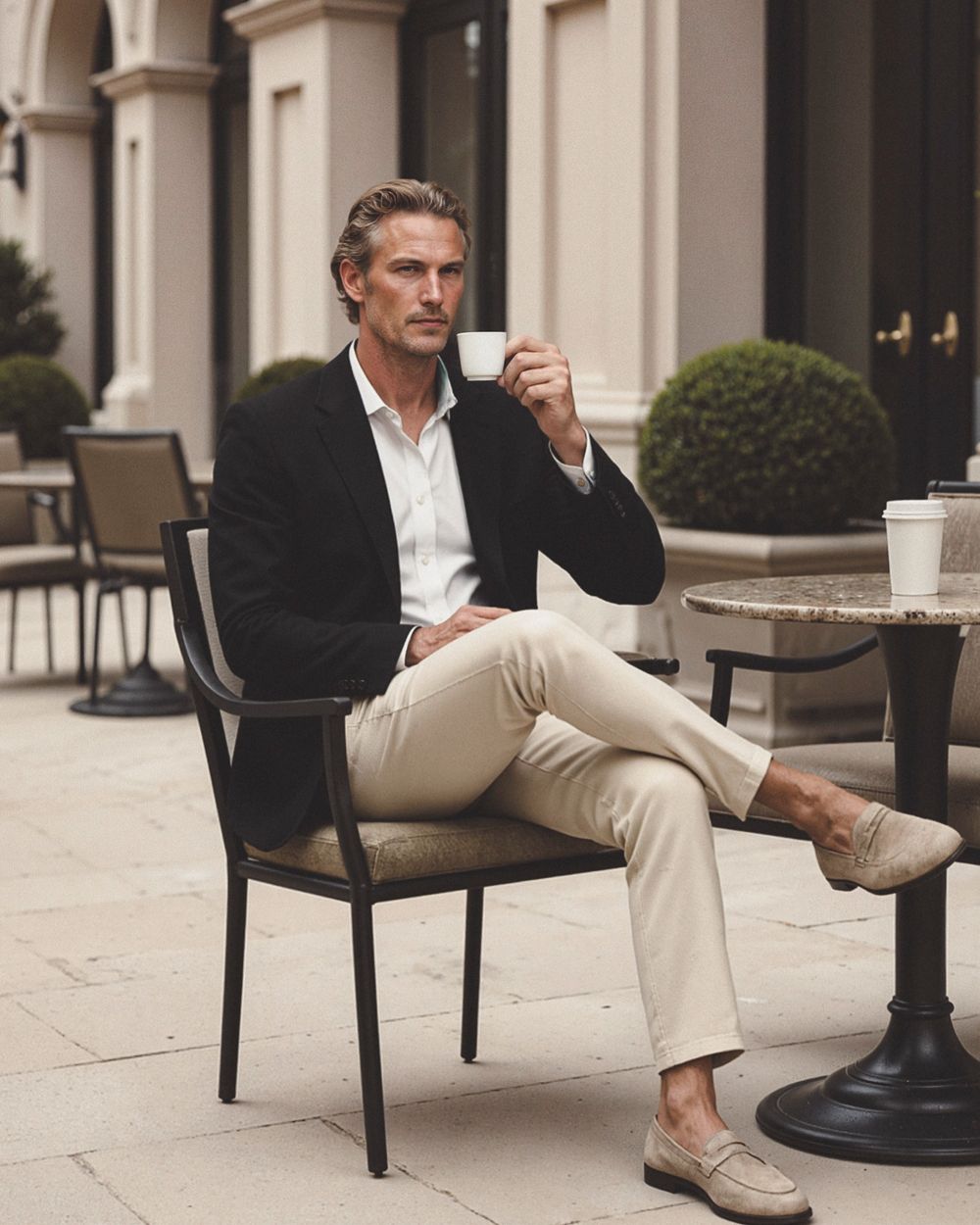
Black Blazer with White Shirt and Cream Chinos
Products in the outfit


Credit: Denver Sulligham
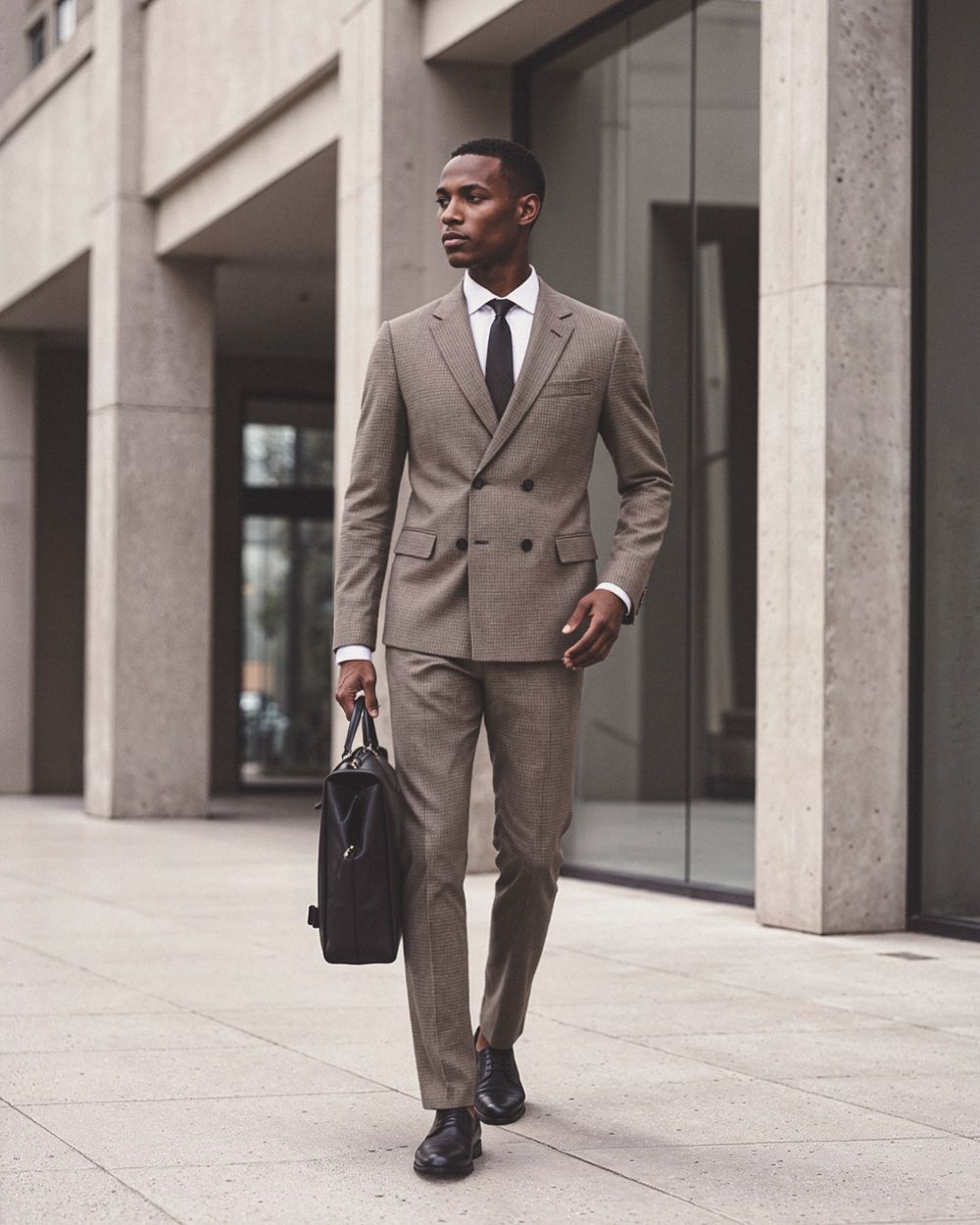
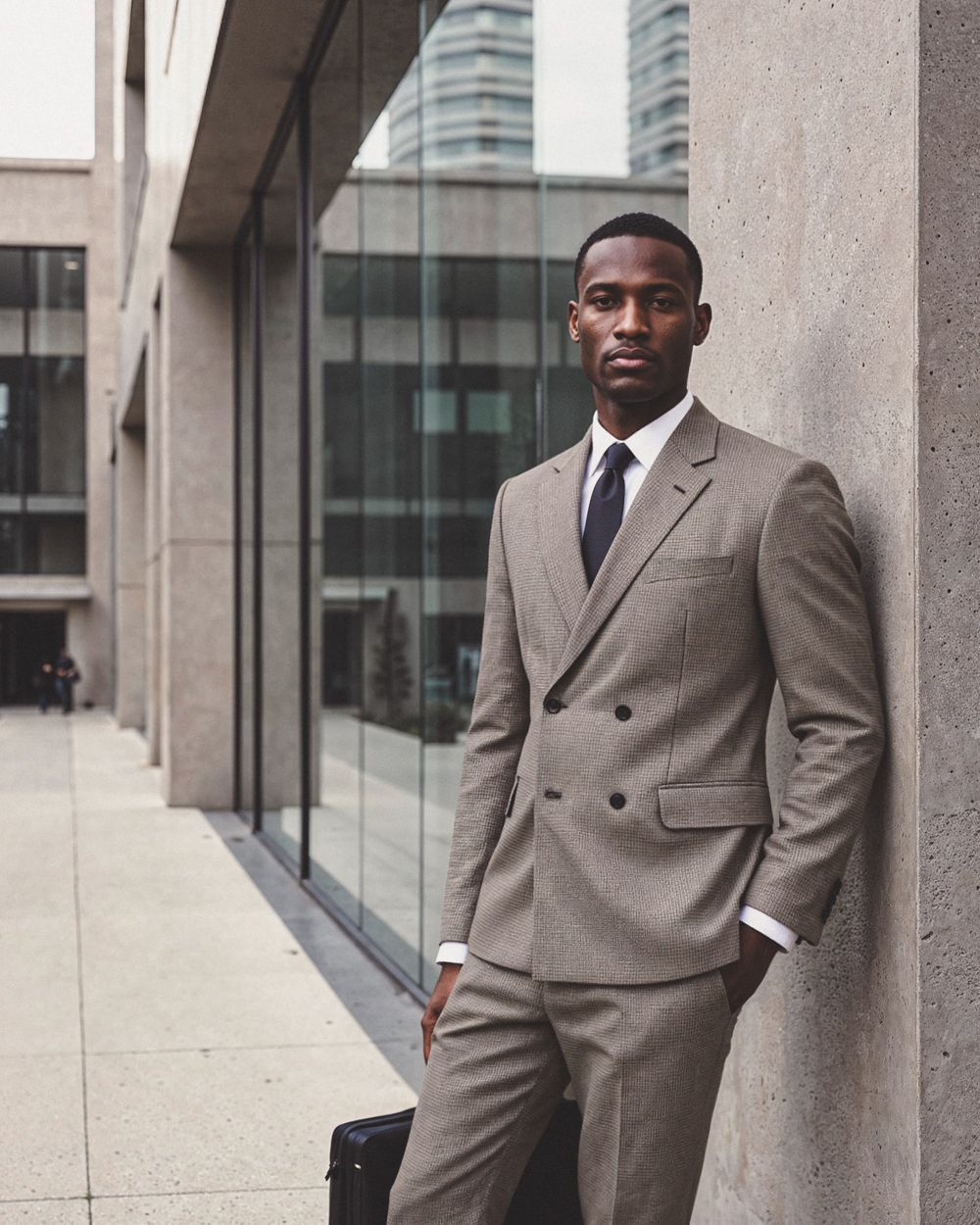
Brown Double-Breasted Suit with White Dress Shirt and Black Tie
Products in the outfit


Credit: Corey Hamid
Explore Classic, Timeless Suits that Men Must Have in Their Wardrobes
Extending Garment Life through Care, Repair and Reuse
Slow fashion does not end at the point of purchase. How clothing is cared for plays a critical role in sustainability and longevity. Proper washing, storage and maintenance can significantly extend a garment’s usable life.
Simple practices such as washing at lower temperatures, air-drying and following care instructions help preserve fabric quality. Repairing minor damage, like loose buttons or small tears, prevents premature disposal. Reuse, resale or alteration also keeps garments in circulation longer, reducing overall waste.

Dress Shirt Caring Tips
Hockerty's Product Care & Maintenance
Hockerty - The Brand Encouraging Slow Fashion
Hockerty reflects many of the core principles of slow fashion through its made-to-measure production system. Instead of mass-producing garments in standard sizes, each piece is created only after an order is placed and tailored to the individual customer. This approach helps reduce overproduction and textile waste, while encouraging consumers to invest in clothing designed for long-term use rather than short-term trends.
By focusing on personalisation, quality materials and precise fit, Hockerty promotes garments that are more likely to be worn frequently and kept for years. Clothes that fit properly tend to last longer in both condition and relevance, reinforcing a slower, more intentional way of consuming fashion that aligns with the broader goals of the slow fashion movement.

Frequently Asked Questions (FAQs)
What does slow fashion mean?
Slow fashion refers to a fashion approach that prioritises quality, durability, ethical production and responsible resource use, while deliberately slowing down the pace of design, manufacturing and consumption. Instead of producing large volumes of trend-driven clothing, slow fashion focuses on well-made garments designed to last, encouraging consumers to buy fewer items and extend the life of their clothing through proper care and long-term use.


