


“Semi-formal” — a term that sparks both clarity and confusion. Most people instantly picture something a step above casual yet short of black-tie. But what does semi-formal really mean, and more importantly, how do you get it right without feeling overdressed or underdressed?
In this guide, we’ll decode the true meaning of semi-formal attire, show you how to wear it for different occasions, and share style tips to help you strike the perfect balance.

What Is Semi-Formal Attire?
Semi-formal dress code lies in the sweet spot between dressy casual and black-tie, perfectly balancing elegance and comfort. Polished, smart, and stylish—It's a step above everyday wear of T-shirts or shorts, and a far cry from tuxedos or full black-tie protocol.
The essence of semi-formal attire is about blending formality with personal flair through refined garments such as suits, shirts, and dress shoes, making you look sophisticated and confident at weddings, high-profile gatherings, and certain business events.

What Does Semi-Formal Mean Today?
Traditionally, semi-formal for men meant a dark suit, dress shirt, and dress shoes. Today, the definition has evolved to be more inclusive and flexible, especially with modern fashion embracing personal style and comfort.
You can now mix and match blazers with tailored trousers, experiment with textures, or swap a tie for a pocket square — and yes, in some contemporary settings, even smart sneakers might work, depending on how you style them.
- A tailored fit.
- Polished fabrics and colors.
- Subtle sophistication with modern touches.
You probably have a general idea of the must-have items for this style. But let’s break down all of them to explore the ultimate creative possibilities of semi-formal in the next sections!
Essential Elements of Semi-Formal Attire
An ideal semi-formal look for men should be sharp but not overly rigid. It requires clothing items that convey both classic and modern, delicate and comfortable. 
The Semi-Formal Suit
At the core of any semi-formal outfit is the suit. Unlike black-tie attire that usually demands specific color and style codes with tuxedos, semi-formal suits give you more creative freedom in fit, fabrics, and colors.
- Fit is non-negotiable: Slim or modern cuts that contour your body (without being tight) are key. To avoid overly boxy jackets or baggy pants, which can undercut the polish of the outfit, look for tailoring brands like Hockerty that offer high-quality garments customized to your exact measurements.
- Fabric makes the mood: Lightweight wool, cotton blends, or linen are materials that you can go for. In colder months, swap to tweed or brushed wool for the depth and warmth.
- Color versatility: Navy, charcoal, and grey are timeless tones that never go wrong. For daytime occasions, light beige or muted pastels also work well; even olive or deep burgundy is welcome in the semi-formal world.

Undoubtedly, the versatility of the semi-formal suits hasn't ended. If you still think your outfit is a little bit simple, don't hesitate to add patterns such as checks or pinstripes. Or else, change your classic two-piece suit to mix-and-match separates—like a blazer with tailored trousers. They are completely semi-formal approved, as long as the pieces coordinate in tone and structure.


Shirts That Work
Even though underneath the suit jacket, the shirt still needs to have clean lines and be tailored with a premium fabric. The safest choice to start with is always a crisp white or pale blue dress shirt, as they match every suit and ensure refinement.

But we don't write this article to say something that everyone knows. To approach the contemporary vibe of semi-formal, pick a shirt that has modern details in hues and collar:
- Soft pastels green, purple, pink or yellow
- Subtle stripes or dots
- Button-down shirts
- Band-collar or mandarin options (if going tie-free)

Using minimal twists helps you state your unique fashion taste to the crowd without looking too showy. It's your choice to be different, but avoid bold and loud designs, or overly casual fabrics like flannel or jersey—they throw off the core of the dress code.


The Right Footwear
The footwear choice also needs to be elegant and polished. We recommend that you consider derby shoes to exude a touch of casual comfort while still looking refined, while loafers are perfect for less formal occasions. Try leather tassel or penny loafers, which are perfect for all year round; or cozy suede for fall/winter events.
Usually, black, dark brown, and brown are the top-tier colors for shoes. With dark suits, lighter ones such as beige, camel, and white are acceptable. If your destination is asking for a more formal appearance, opt for sleek leather Oxfords in classic designs.
In some rare settings, dress sneakers are appreciated (creative industries, or younger social events, for example), but they should:
-
Stick with minimalist leather sneakers in neutral tones (think white, black, or navy).
-
Pair them with tailored trousers, a blazer, and a crisp shirt.
- Avoid anything sporty, chunky, or scuffed.


Accessories
Accessories are add-ons, but they can surprisingly make you stand out with individuality. These small elements can be both understated and playful in a semi-formal setting. For instance, when you attend a cocktail party, consider having a tie or pocket square to complement the outfit's color palette. With neckties, go for something sleek, in a solid color, classic pattern, or light texture. A pocket square is the easiest way to elevate your blazer; fold it clean or casually puff it out.

Move to belts, their colors and textures should match your shoes, and there are no statement buckles. Then "lock" your professional, confident style with a minimal and elegant wristwatch; a leather-strap dress watch or a metal timepiece works best. A structured leather briefcase can also enhance your appearance with refinement.

Can You Wear Jeans or Skip the Tie?
Let’s get real: dress codes are evolving, and the rules around semi-formal are more flexible than ever.
Generally, the answer for jeans is NO. For weddings, business functions, or evening events, it's best to steer clear of denim and opt for tailored pants to maintain the desired level of refinement and adherence to the dress code. However, for dressy casual gatherings or modern venues, you may get away with dark, tailored jeans (no rips, no fade), paired with a blazer and polished shoes. Still, opt for dress pants or chinos whenever in doubt.
On the other hand, neckties are —YES— optional, as long as the rest of your outfit is sharp. So, without a tie, pay attention to these details to avoid losing points in the eyes of others.
-
Structured blazer or suit.
- Polished footwear.
- Accessorize with a pocket square to balance the open collar.

Semi-Formal Outfit Ideas
When in doubt, rely on outfit formulas that never miss. Here are two foolproof looks that embody semi-formal confidence:
Classic Navy Suit & White Shirt Combo
This is always a timeless staple. Pair a tailored navy suit with a crisp white shirt for a polished, no-fail outfit. Add a dark tie, leather oxfords, and a white pocket square for clean contrast. This look works for nearly every semi-formal occasion, from evening receptions to professional gatherings.
Trendy Blazer + Trousers Mix & Match Look
Want something slightly more relaxed but still sharp? Pair a contrasting blazer with tailored trousers. Try a grey blazer with black dress pants, or a patterned jacket with neutral trousers. Keep the shirt plain and tuck in a bold pocket square or subtle tie to tie it all together. This is ideal for cocktail events or creative industry functions.
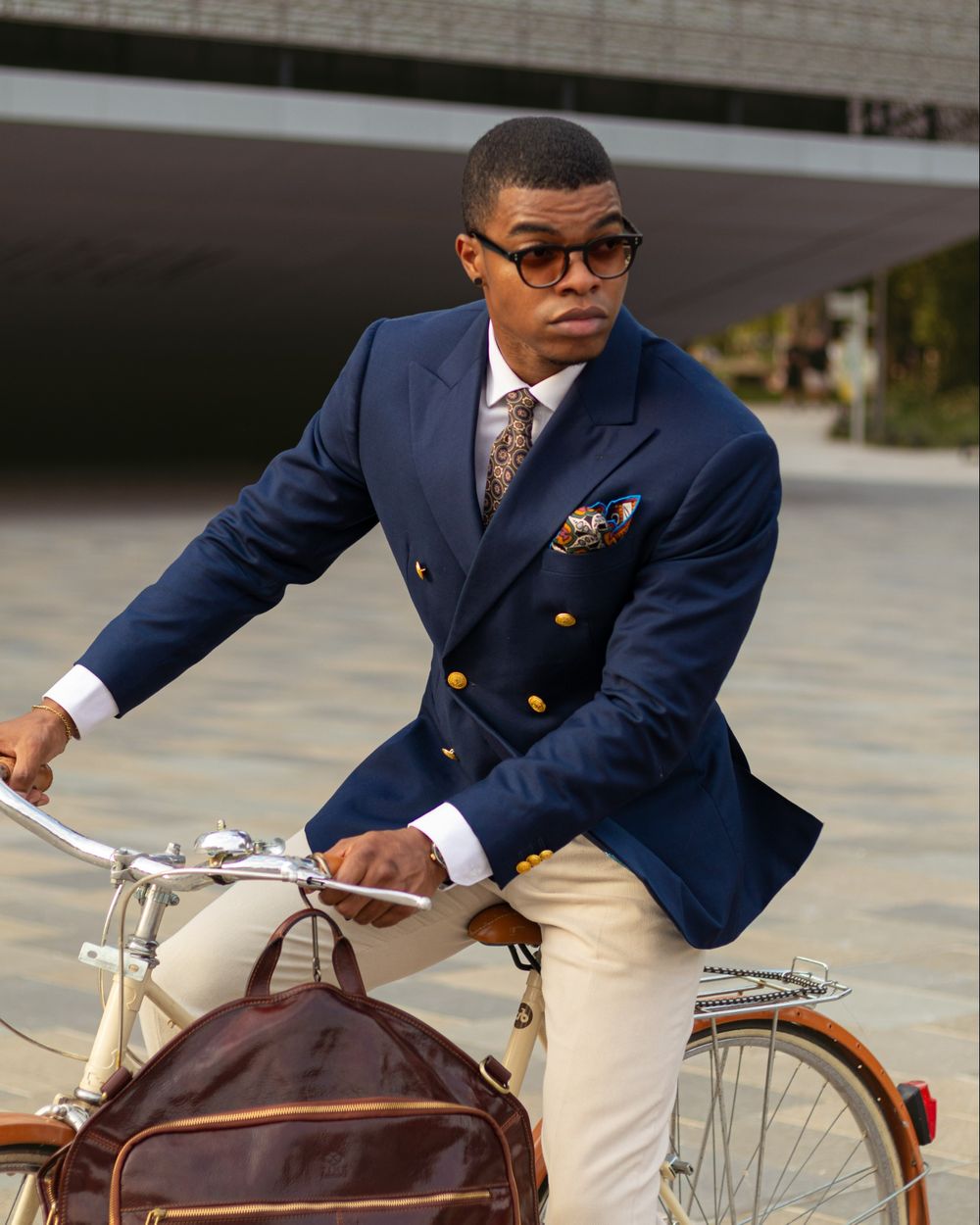
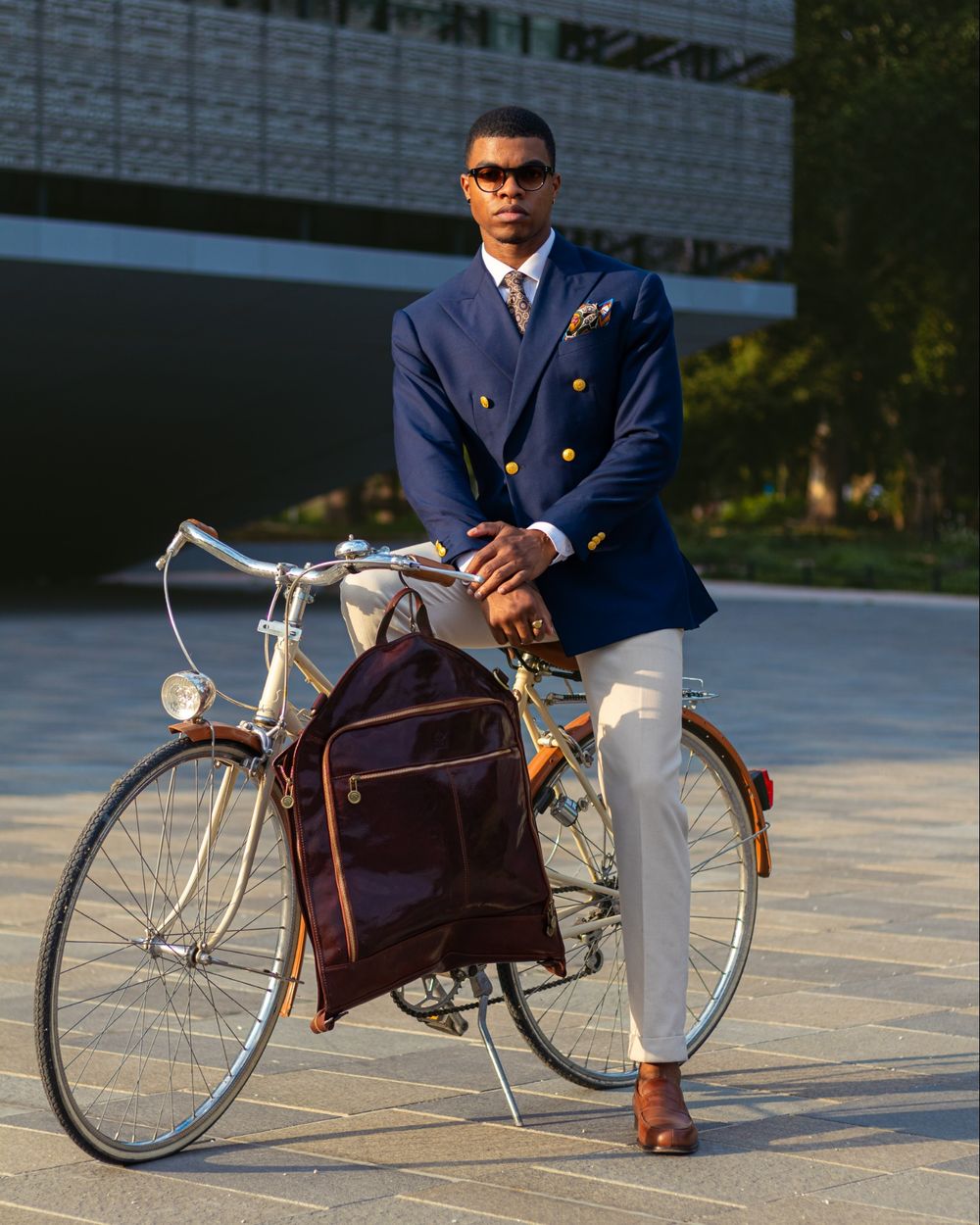
Navy Double Breasted Blazer with Cream Trousers
Products in the outfit


Credit: Roberto Udegbunam


Gray Jacket with Black Pants
Products in the outfit


How to Style Semi-Formal Outfits for Different Occasions
Different events call for different semi-formal interpretations. Follow this guide to achieve the right tone with confidence in every setting.
Weddings
Wedding attires need to show elegance, but not outshine the groom. Choose a classic tailored suit in navy, charcoal, and soft beige, depending on the season. A shirt, silk tie, and clean dress shoes complete the look. If the wedding has a theme or color palette, add subtle nods with your pocket square. Skip loud colors unless explicitly stated.
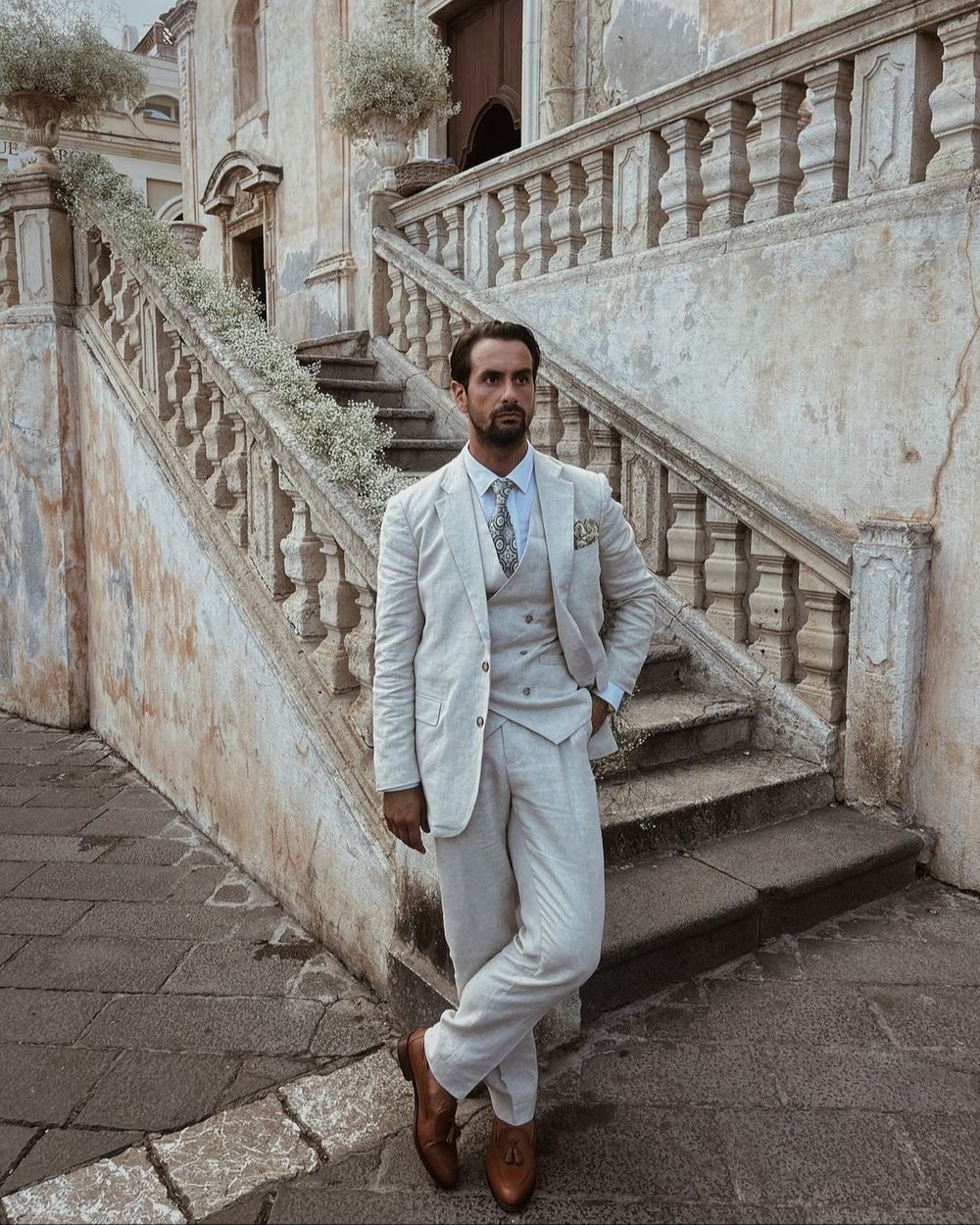
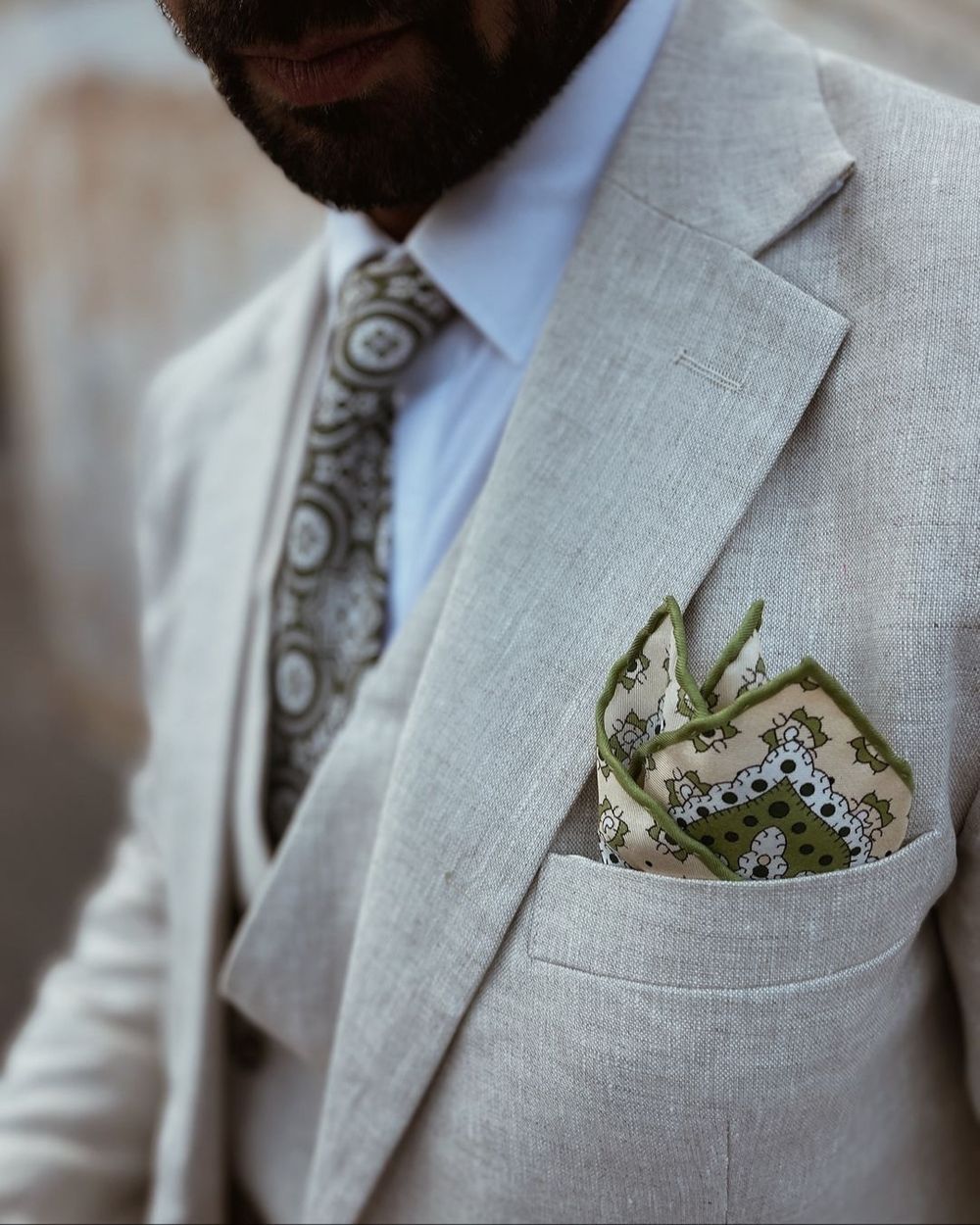
Wedding Light Linen Suit
Products in the outfit


Credit: Giuseppe La Spina
Cocktail Parties
A cocktail party allows for more expression through clothing, where a sophisticated yet relaxed look is paramount. For such occasions, consider a sharp blazer with neutral, paired with patterned trousers or chinos, then elevate the ensemble with a well-fitted shirt. This is the time to bring in a bold pocket square or tie, and even statement socks—just keep it intentional, not loud. Suede loafers or dressy boots add a modern twist.
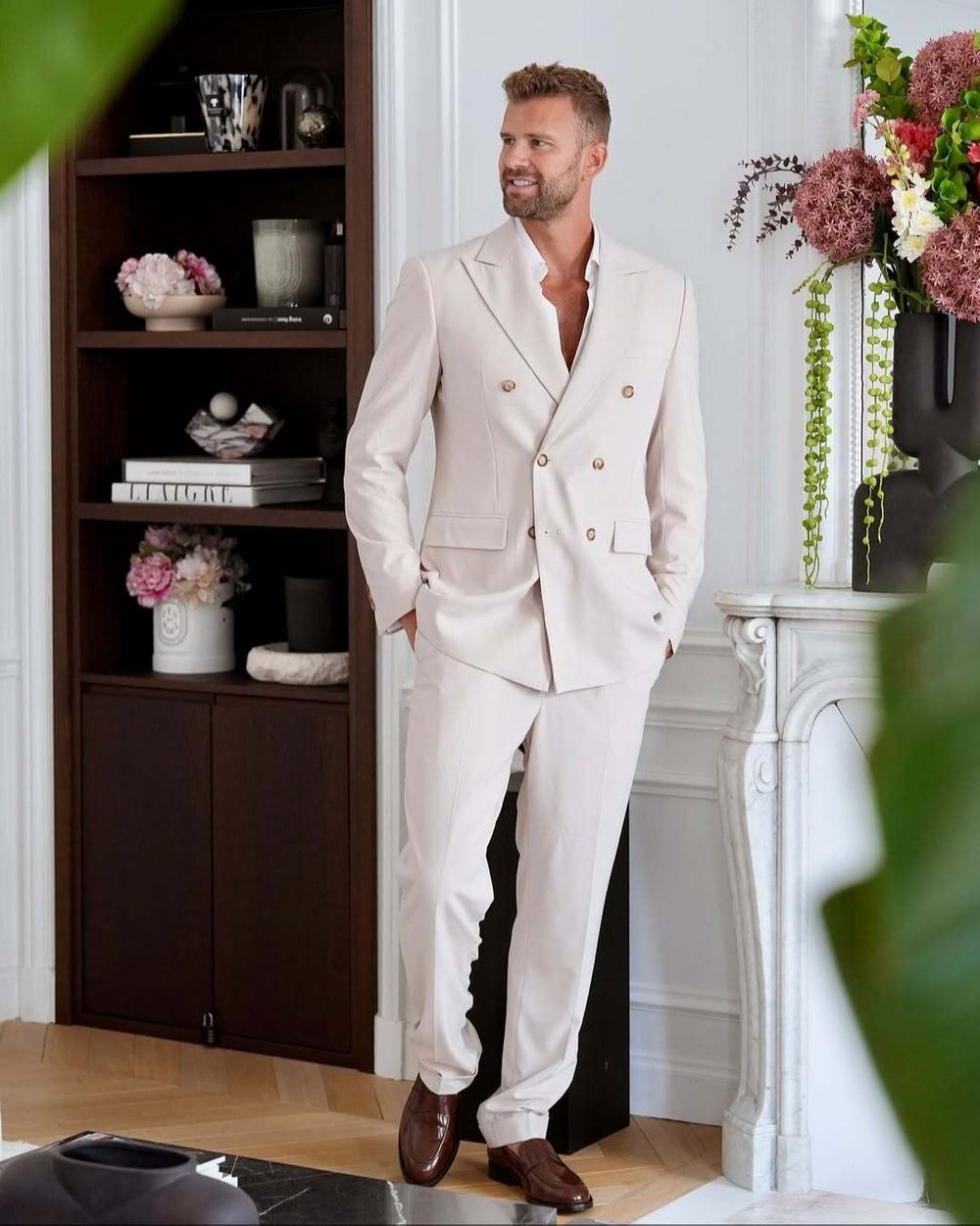
Ivory Double-Breasted Suit with Open Collar Shirt
Products in the outfit


Credit: Corentin Gruson
Business Events
For networking events, dinners, or after-work functions, stick with professional colors and minimal accessories. A navy or grey suit, white or blue shirt, and a subdued tie show you're polished without being too stiff. Loafers or derbies work well, and don’t forget a quality leather belt or watch for a refined appearance that commands respect.
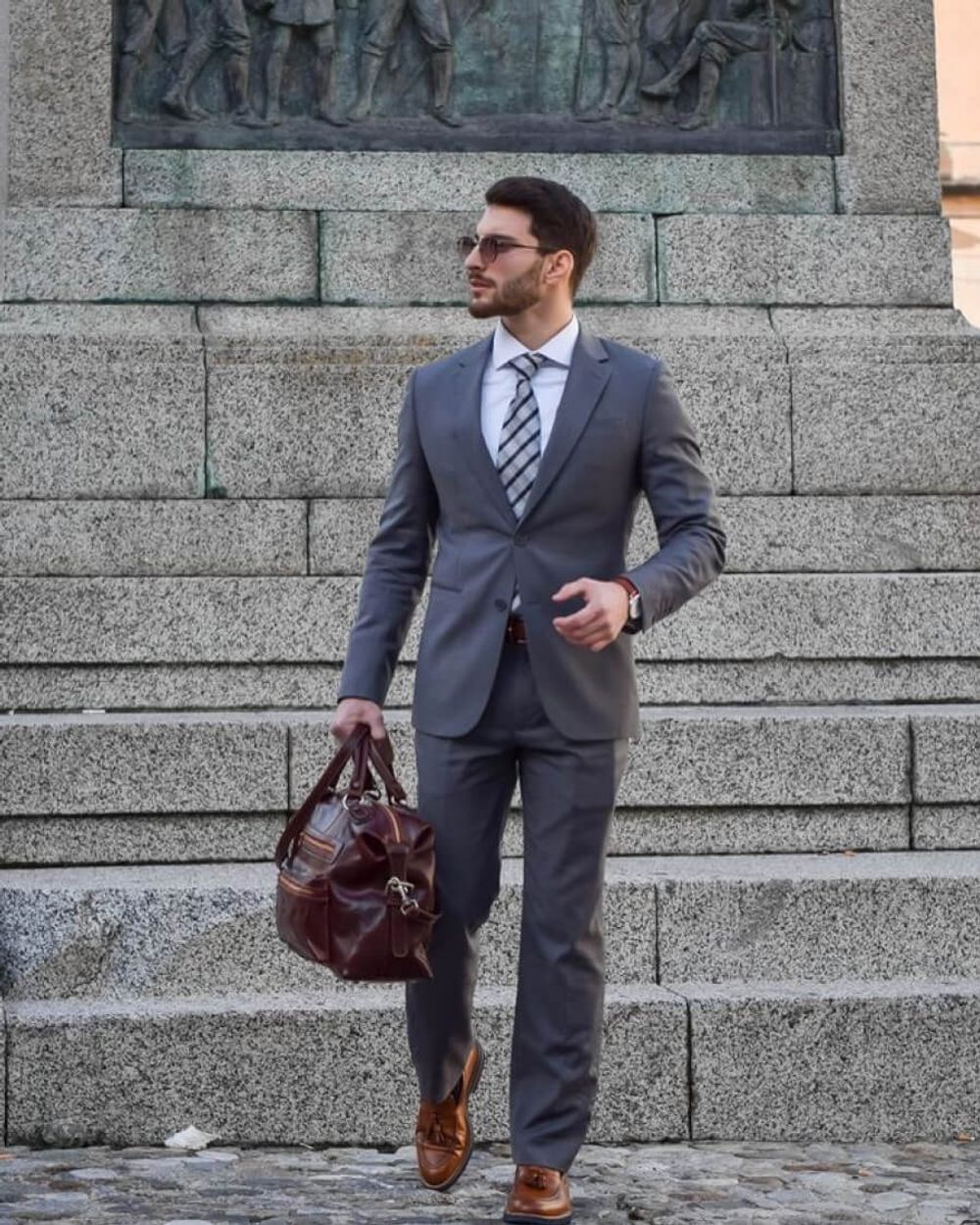
Charcoal Grey Suit Brown Shoes
Products in the outfit


Credit: luigi_de_blasio
Dressy Casual Events: Where to Draw the Line
For those “smart casual” or “dressy casual” invites, lean into relaxed tailoring. A sharp blazer with chinos or dark tailored jeans, polished loafers, and a tucked-in shirt will keep things balanced. Avoid T-shirts or anything too relaxed, unless you’re certain the dress code allows it.



Brown Tweed Blazer with Light Blue Shirt, Dark Jeans, and Leather Boots
Products in the outfit


Credit: Jonathan Blasco
Seasonal Styling Tips for Semi-Formal Attire
Your semi-formal outfit should adapt to the weather as much as the occasion. Here’s how to stay sharp year-round:
Dressing in Spring
When navigating semi-formal attire in spring, opt for lighter fabrics and pastel hues to embrace the season's renewal. Think cotton or linen suits in light grey, beige, pink and pale blue. Pair with a white shirt and a vibrant tie or floral pocket square for a soft seasonal touch. Loafers or derbies in tan leather work beautifully here, ensuring you stay stylish and comfortable amidst the blooming surroundings.

Dressing in Summer
In hot weather, prioritize breathability and comfort without losing refinement. Linen or seersucker suits are ideal, preferably in pale tones like light blue, sand, or ivory. Keep layers light: skip the tie for casual events, and consider sockless loafers or suede brogues to keep things breezy under the sun's rays.

Sand Double-Breasted Suit & Beige Suede Leather Loafer
Dressing in Fall
As autumn sets in, semi-formal attire transitions to richer hues and heavier fabrics for warmth and style. Embrace the season with suits in earthy tones like deep brown, burgundy, or olive, crafted from tweed or wool for added insulation. Pair with a shirt in muted colors and accessorize with a patterned tie or textured pocket square. Leather boots or dark loafers give the look a season-appropriate polish.

Dressing in Winter
Winter semi-formal style means layering smartly. Choose heavier suits in wool, flannel, or even cashmere and stick with classic dark hues—charcoal, navy, deep green for a cozy look. Add a vest under your suit or a wool overcoat on top, which brings both flair and practicality. Polish off with leather boots or lace-up dress shoes and a sleek scarf.

Beige Overcoat & Green Wool Suit & Brown Chelsea Boots
Semi-Formal vs. Formal Dress Code
While both dress codes call for elegance, semi-formal and formal attire differ significantly in structure, occasion, and strictness. Knowing the distinction can help you avoid being under- or overdressed—two things you never want to be at any important event.
Formal attire typically refers to black-tie events, where a tuxedo is the expected norm. This dress code has very little room for personalization, and the rules are clear:
-
Formal wear: Tuxedos, dinner jackets, or tailcoats for men, typically paired with a white shirt, black bow ties, patent leather shoes and more regimented accessories including cummerbunds or waistcoats.
-
Color palette: Almost always black and white with minimal deviation.
-
Formality level: High. Think weddings, operas, award ceremonies, and state dinners.

In contrast, semi-formal attire allows flexibility and personality, while still maintaining a polished appearance:
-
Semi-formal wear: A suit is often enough, though you can also wear coordinated separates. This dress code allows for a wider range of shirt styles and tie patterns. Footwear also needs to be polished, but you can flexibly choose Oxfords, Derbies, or loafers, accessorized with small details like pocket squares, watches.
-
Color and texture: Wider range of choices, from subtle checks to navy, charcoal, or even pastel shades, depending on the season.
-
Occasions: Weddings, cocktail events, work parties, or upscale dinners.
| Feature | Formal | Semi-Formal |
|---|---|---|
| Outfit | Tuxedo, dinner jacket, or tailcoat | Suit or blazer + tailored trousers + tie |
| Shirt | White shirt | Flexible dress shirt choices |
| Footwear | Patent leather shoes | Dress shoes: oxfords, derbies, or loafers |
| Accessories | Cummerbund, waistcoat, black bowties | Pocket squares, watches, belts, and optional ties |
| Color Palette | Black and white | Navy, charcoal, pastel, or textured fabrics |
| Occasions | Galas, award ceremonies, black-tie weddings | Weddings, cocktail events, formal work gatherings |
| Formality Level | Very high (strict and traditional) | Medium-high (refined but personal) |
You can easily tell the key difference is: Semi-formal lets you play with your look; formal tells you what to wear.
Semi-Formal vs. Business Casual Dress Code
The line between semi-formal and business casual can get blurry, especially since both are commonly seen in professional settings. The characteristics that tell them apart are that business casual is more relaxed and leans toward comfort, while semi-formal steps up the formality for more refined occasions.
| Feature | Semi-Formal | Business Casual |
|---|---|---|
| Outfit | Suit or blazer + tailored trousers + tie | Dress pants or chinos + shirt (no tie required) |
| Footwear | Dress shoes: oxfords, derbies, or loafers | Loafers, brogues, even clean sneakers |
| Shirts | Flexible dress shirt choices | Polo shirts, button-downs, or knit sweaters |
| Accessories | Pocket squares, watches, belts, and optional ties | Optional and minimal |
| Occasions | Weddings, formal dinners, evening events | Office settings, client meetings, casual Fridays |
A quick tip to identify these dress codes: If you’re wearing a tie and a suit, it's semi-formal. If you're in chinos and no tie, it’s business casual.
Dos and Don’ts of Semi-Formal Attire
Great job! You've gone through almost everything about semi-formal attire. Now, it's time to wrap up the key information with a list of what to do and not to do when coordinating this dress code. With it, you can definitely master the look confidently and stylishly.
Do
-
Do aim for a tailored fit: Whether it’s a suit or separate pieces, a well-fitted outfit will instantly elevate your entire look. If off-the-rack options don’t cut it, consider a made-to-measure brand like Hockerty to ensure a perfect silhouette.
-
Do coordinate your accessories: A belt that matches your shoes, a watch that complements your outfit, and tasteful accents like a tie or pocket square show you pay attention to detail.
-
Do embrace seasonal styling: In warmer months, go for breathable fabrics like linen and lighter tones. In winter, opt for wool blends in deeper, richer colors like burgundy or forest green.
-
Do inject some personality: A patterned tie, a standout pair of socks, or a textured blazer can add subtle flair while staying within the semi-formal guidelines.
- Do groom and press: Your clothes should be clean and wrinkle-free, and grooming should be neat. A sharp look is incomplete without a polished presentation.

Don’t
-
Don’t wear casual footwear: Sneakers, sandals, or hiking shoes will instantly make your outfit feel underdressed. Always opt for polished leather shoes like Oxfords, Derbies, or loafers.
-
Don’t skip the iron: Wrinkled shirts or pants can ruin even the most stylish outfit. Press everything beforehand—looking put together is non-negotiable.
-
Don’t over-accessorize: Flashy rings, bold prints, or too many contrasting elements can make your outfit feel busy. Stick to one or two statement pieces at most.
-
Don’t mix too many patterns or loud colors: While semi-formal allows for personal flair, clashing prints or neon hues should be avoided. Opt for harmonious color palettes and subtle textures.
-
Don’t underdress: Wearing jeans, T-shirts, or overly casual pieces—even if they’re expensive—can make you look like you didn’t get the memo. Always lean slightly dressier if in doubt.

FAQs on Men's Semi-Formal Attire
What is considered semi-formal?
Semi-formal attire sits between casual and formal dress codes. For men, this usually means a tailored suit or blazer with dress trousers, a collared shirt, and polished shoes. Ties are optional but recommended depending on the occasion. The goal is to look refined but not overly stiff.
Can you wear jeans in semi-formal?
Generally, no. Jeans are too casual for most semi-formal settings, such as weddings or professional events. However, dark, well-fitted jeans without distressing might be acceptable in relaxed or creative environments, only when paired with a blazer, shirt, and dress shoes. Still, tailored trousers or chinos are the safer, more appropriate choices.
Can sneakers be semi-formal?
Only in rare, modern contexts. Minimalist leather sneakers in neutral colors (white, black, navy) can work for creative industries or casual events if styled well, with tailored trousers, a blazer, and a crisp shirt. Avoid chunky, sporty, or worn-out sneakers, which clash with the semi-formal vibe.
Do I need a jacket for semi-formal?
Yes—always. A structured blazer or suit jacket is a core part of the semi-formal look. Whether you wear it as part of a matching suit or with mix-and-match separates, it adds the required level of formality and refinement to your outfit.
What not to wear for semi-formal?
Avoid anything too casual or sloppy:
-
T-shirts, polos, or short-sleeved shirts
-
Distressed jeans or overly casual pants
-
Sneakers (unless dressy and appropriate)
-
Flashy accessories, bold prints, or loud colors
-
Ill-fitting or wrinkled clothes
To play it safe, always lean slightly more polished if you're unsure.
Can I skip the tie in semi-formal attire?
Yes, but with care. If you choose not to wear a tie, balance the look with a structured blazer, a crisp shirt, polished shoes, and maybe a pocket square. Skipping the tie is acceptable in less formal semi-formal events, but never show up underdressed.
What’s the difference between semi-formal and formal attire?
Formal attire is more rigid and traditional—it typically requires a tuxedo or dinner jacket, white shirt, black bow tie, patent leather shoes, and often cummerbunds or waistcoats. It’s reserved for events like galas, state dinners, or award ceremonies.
In contrast, semi-formal attire allows more flexibility and personal flair: think tailored suits or blazers, dress shirts with optional ties, and polished shoes like Oxfords or loafers. It’s appropriate for weddings, cocktail parties, and formal business gatherings.
How is semi-formal different from business casual?
Business casual is a more relaxed dress code. It typically includes chinos or dress pants, button-downs or polos, and optional blazers, with no tie required. Sneakers are often acceptable if they’re clean and minimal.
Semi-formal, however, raises the bar. It involves a full suit or blazer with tailored trousers, dress shoes, and a tie or pocket square to complete the look. It's more structured, refined, and suitable for formal events or upscale evenings.


