


The lounge suit dress code may sound like a confusing term, invoking images of suits worn in a lounge with a cigar in one hand and a glass of wine in the other. Well, not really… While this idea isn’t completely wrong, a lounge suit is much more interesting and simple than many expect. Let’s dive into everything you need to know about this versatile attire!
What is the Lounge Suit Dress Code?
It’s one of the most popular dress codes, striking a perfect balance between formal elegance and everyday versatility.
Understanding the Lounge Suit Dress Code
At its core, the lounge suit dress code consists of a matching blazer and trousers, typically paired with a shirt and tie. Unlike casual business attire, lounge suits lean more formal but remain less rigid than tuxedos or tailcoats. They allow room for personalization in terms of color, fabric, and accessories.
Lounge suits are ideal for a variety of occasions, where your appearance needs to be polished yet approachable. As a harmonious combination of casual workwear and formal black tie, this is a staple for men who prefer sophistication with ease.
The Origin and Evolution of Lounge Suits
The lounge suit originated in 19th-century England, where it began as a more relaxed alternative to the formal frock coats worn by the upper class. Initially designed as a country or casual wear for the elite, the lounge suit eventually gained popularity due to its comfort and practicality.
By the early 20th century, the lounge suit became a standard option for business and formal events. Its evolution was heavily influenced by cultural icons and changing fashion trends. Today, the lounge suit remains a symbol of refined masculinity, with modern adaptations allowing it to suit various formal and semi-formal settings while staying relevant to contemporary styles.
Key Pieces of the Lounge Suit Dress Code
Don’t just care about a jacket and trousers when choosing a lounge suit. Other elements also play a crucial role in creating a perfectly balanced look. Find out what we need to prepare for this dress code.
Suit: The Fundamental of The Dress Code
Yes, this is the foundation of the lounge suit dress code. A classic lounge suit comprises a jacket, or a blazer, and matching trousers in the same colors and textures, offering a cohesive appearance.


There are several types of suits to choose from, including two-piece and three-piece suits. A two-piece suit is a timeless option, while a three-piece suit adds a waistcoat for extra formality. Additionally, you can explore styles like single-breasted suits, which are versatile and modern, or double-breasted suits, which convey a more traditional and commanding presence.


The Underneath Shirt
The shirt is another essential component of a lounge suit. For a timeless look, opt for crisp white shirts, which pair beautifully with any suit color. Light blue and pastel shades are also excellent choices, bringing up a subtle hint of color.


When selecting a shirt, consider the collar style. Spread collars work well with many types of tie knots, while point collars are more conventional and streamlined. Your shirt should complement your tie and jacket to achieve a perfect ensemble.

Tie: A Touch Of Vibrancy
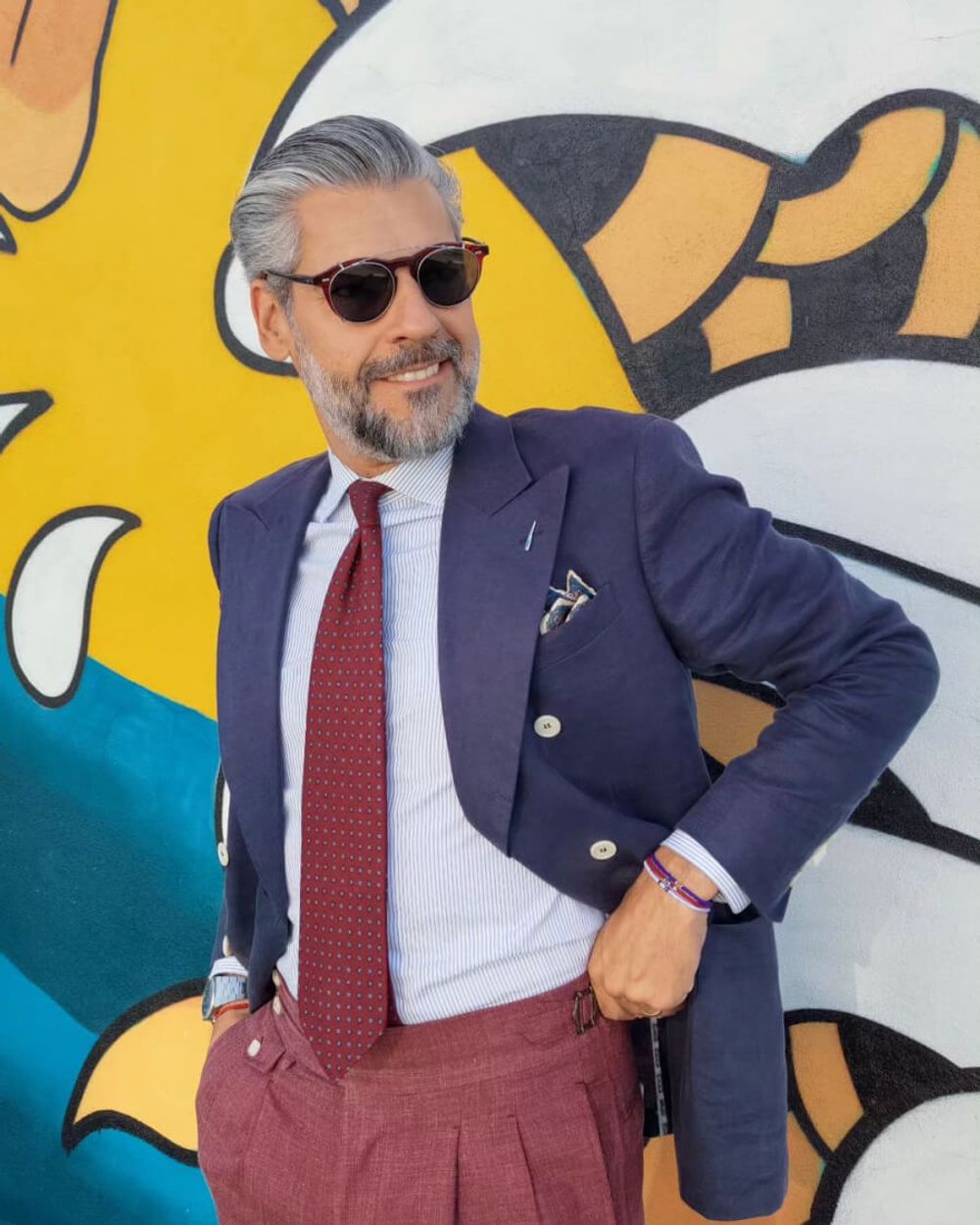
A tie is the ultimate accessory that “ties” the whole outfit together. When choosing a tie for your lounge suit, focus on complementary colors and patterns. For instance, a navy suit pairs well with a burgundy or patterned tie, while a charcoal suit can be elevated with a striped or silver tie.
Avoid overly bold or distracting patterns; instead, go for solid ties or subtle checks, plaid, and striped options. A silk tie is a classic choice, offering just the right amount of sheen and sophistication to enhance your overall look.

Footwear For The Cohesion
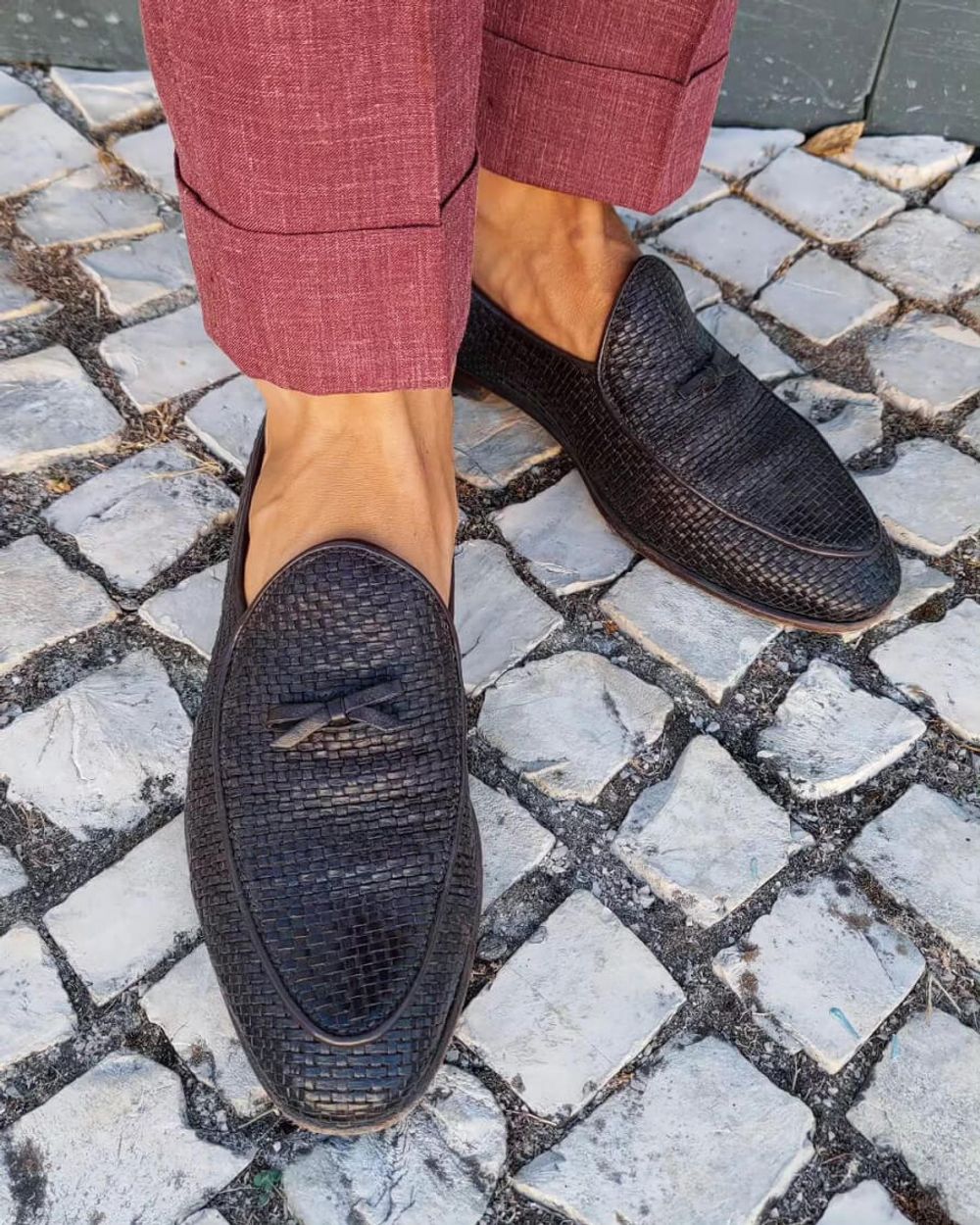
Shoes can contribute more to the connection of your lounge suit ensemble. The best choices are Oxfords, Derbies, or loafers, which always make your outfit incredibly refined. Black leather Oxfords are the safest and most versatile option for formal occasions, while brown loafers or Derbies can add warmth and character to lighter suits.
Ensure your shoes are well-polished and match the tone of your suit. Blue or grey suits can go with brown shoes for a touch of contrast; black suits should always be paired with sleek black footwear.
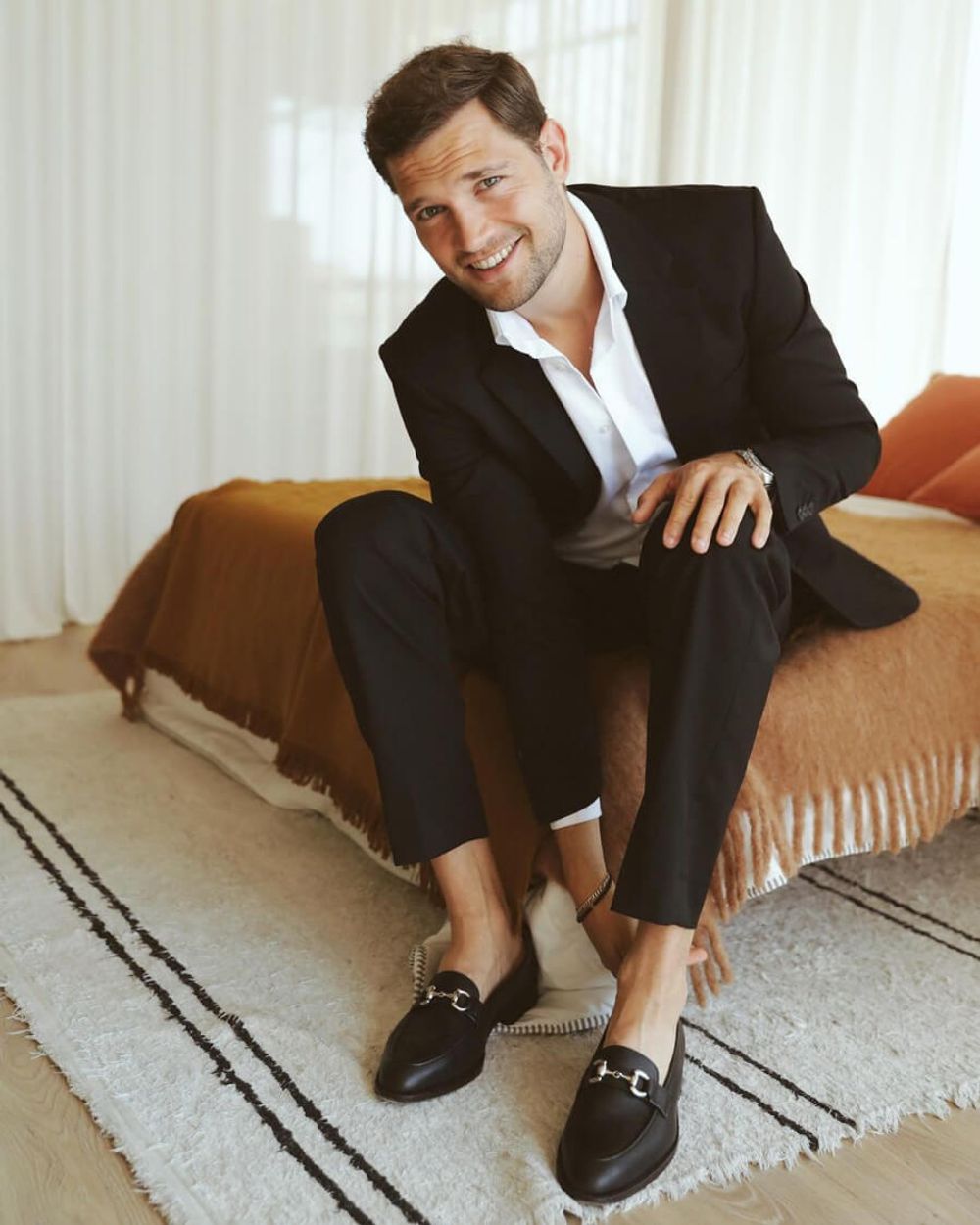
How to Style the Lounge Suit Dress Code
Styling this dress code is about balancing tradition with personal flair. Below, we break down how to master the art of coordinating a lounge suit, considering all the details that make up your sophisticated look.
Choosing the Right Fit
The fit of your lounge suit can make or break the entire outfit. Whether you prefer a slim fit, regular fit, or modern fit, the key is ensuring that the suit complements your body type and personal style.
- Slim Fit: Designed for a contemporary look, slim-fit suits have narrow lapels, tapered trousers, and a close cut around the chest and waist. They work best for men with a lean or athletic build and are ideal for showing professionalism and for modern events.
- Regular Fit: A classic and comfortable option, regular-fit suits provide more room around the shoulders, chest, and legs while maintaining structure. This fit is perfect for those who prefer a classic vibe or need additional ease of movement.
- Modern Fit: As the blend of slim and regular fits, modern-fit suits offer a slightly tapered silhouette that flatters most body types. They’re versatile enough for most occasions.

Additionally, your suit should smoothly fit properly across the shoulders (with no sagging or pulling), and the trousers should be hemmed just to graze the tops of your shoes.
For that reason, tailoring is the best option. Custom-made suits from Hockerty meet this criterion, as they’re designed to match your specific measurements and preferences, even with small details like buttons, pockets, and cuts.
Picking the Perfect Fabrics
The fabric of your lounge suit determines not only its comfort but also its suitability for different times. Wool is the go-to choice for colder months because it provides warmth and structure. In the summer, lighter fabrics like linen or cotton are ideal. Linen suits are breathable and have a slightly textured look that works well for daytime. Cotton combines comfort and elegance, and it is more wrinkle-resistant than pure linen.

The fabric's texture can also influence your outfit's overall formality. Smooth, fine wool suits are more formal, while textured options like tweed or herringbone add character and work better in relaxed settings.
Exploring Colors and Patterns
For lounge suits, classic colors like navy, grey, black, and charcoal always present unmatched versatility. You can absolutely choose other muted tones based on your taste, but it is most reasonable to use dark hues in formal situations and lighter tones for casual and smart casual suit outfits. Exploring forest green or burgundy creates an interesting suit for those feeling adventurous.
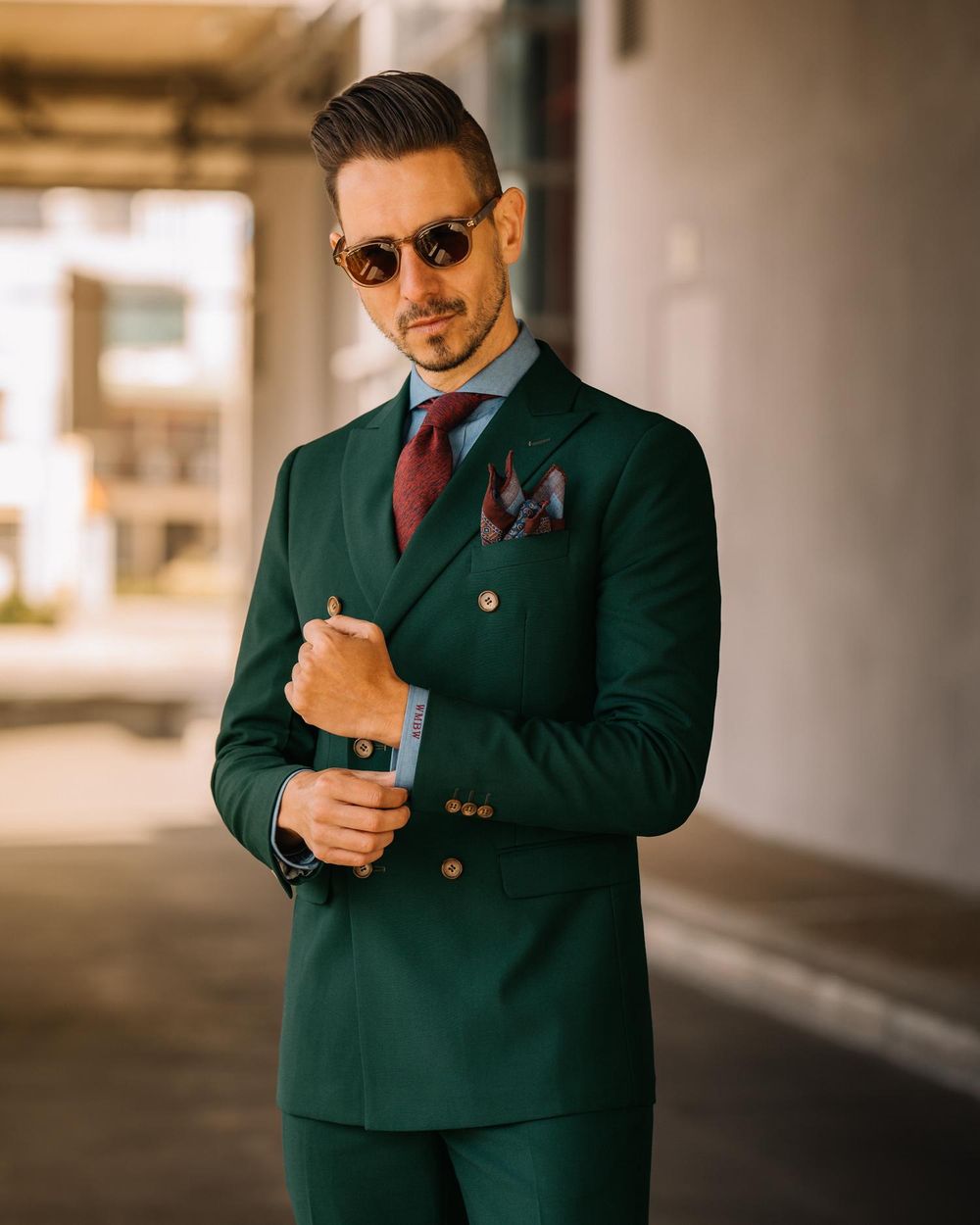
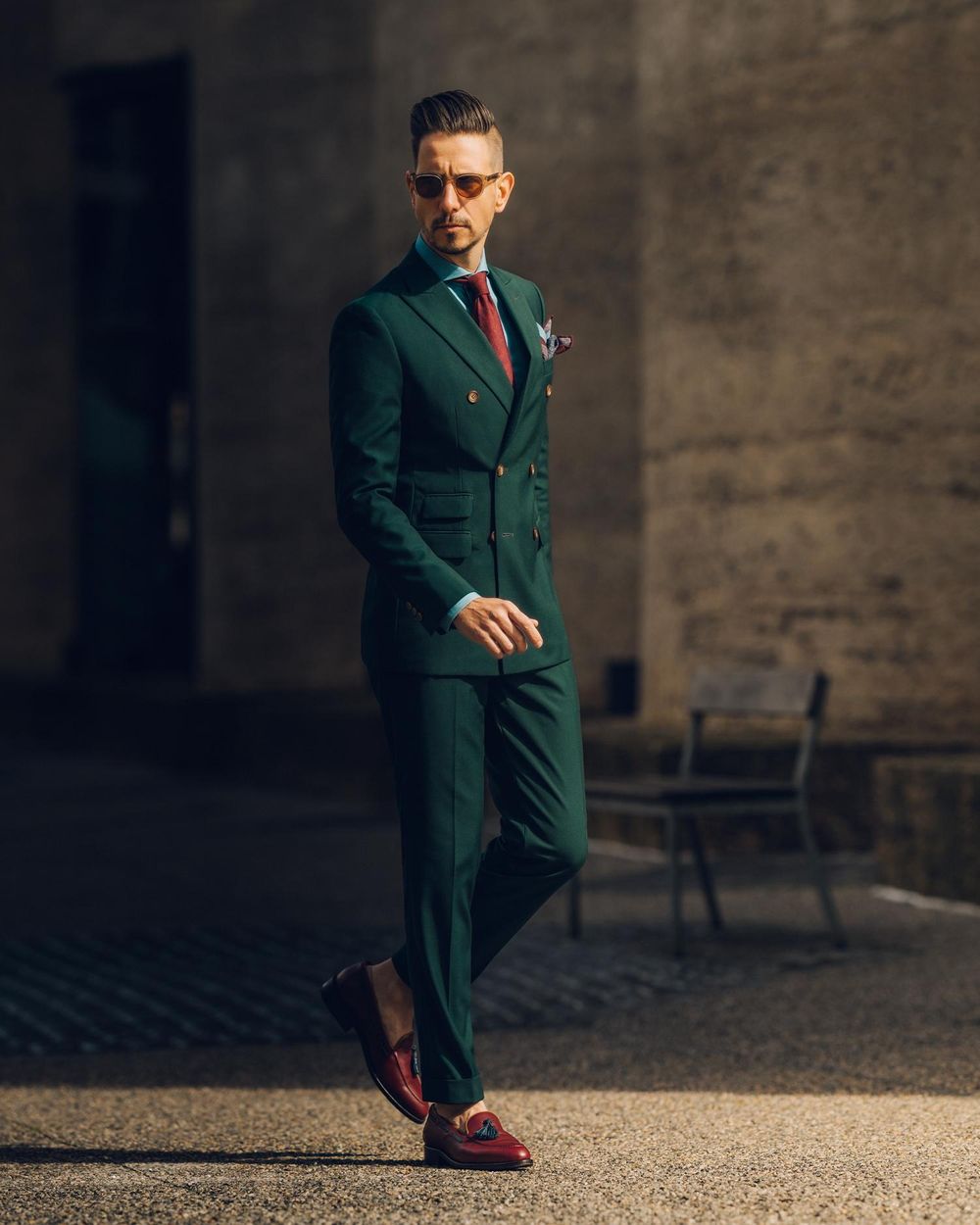
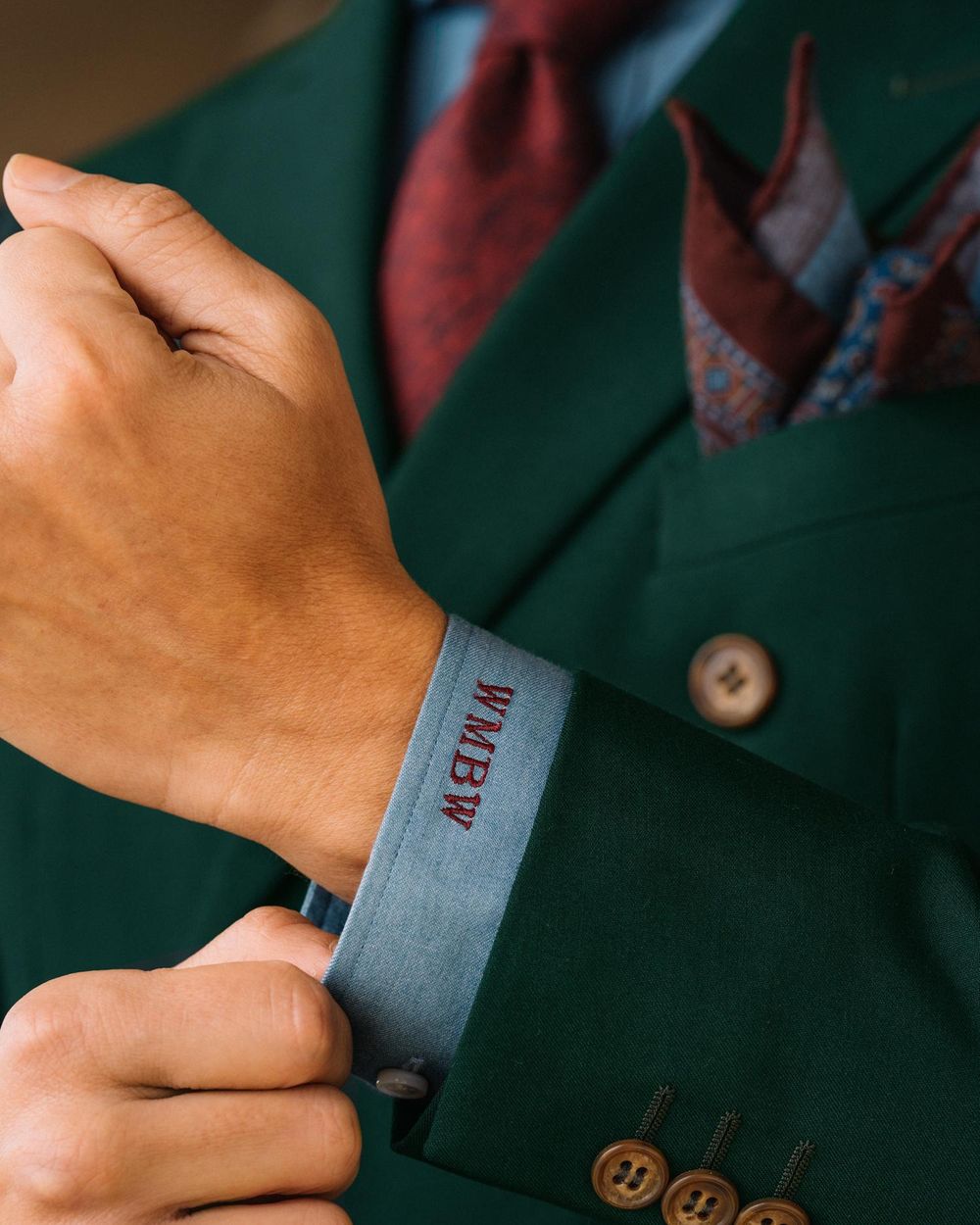
Not only for ties but also consider subtle patterns for suit if you want to infuse personality into the outfit. Pinstripes, for example, can elongate your silhouette and add elegance. On the other hand, checks offer a bolder, contemporary look, especially when styled with solid accessories.


Finishing Touches: Accessories and Grooming
No lounge suit is complete without the right finishing touches of accessories.
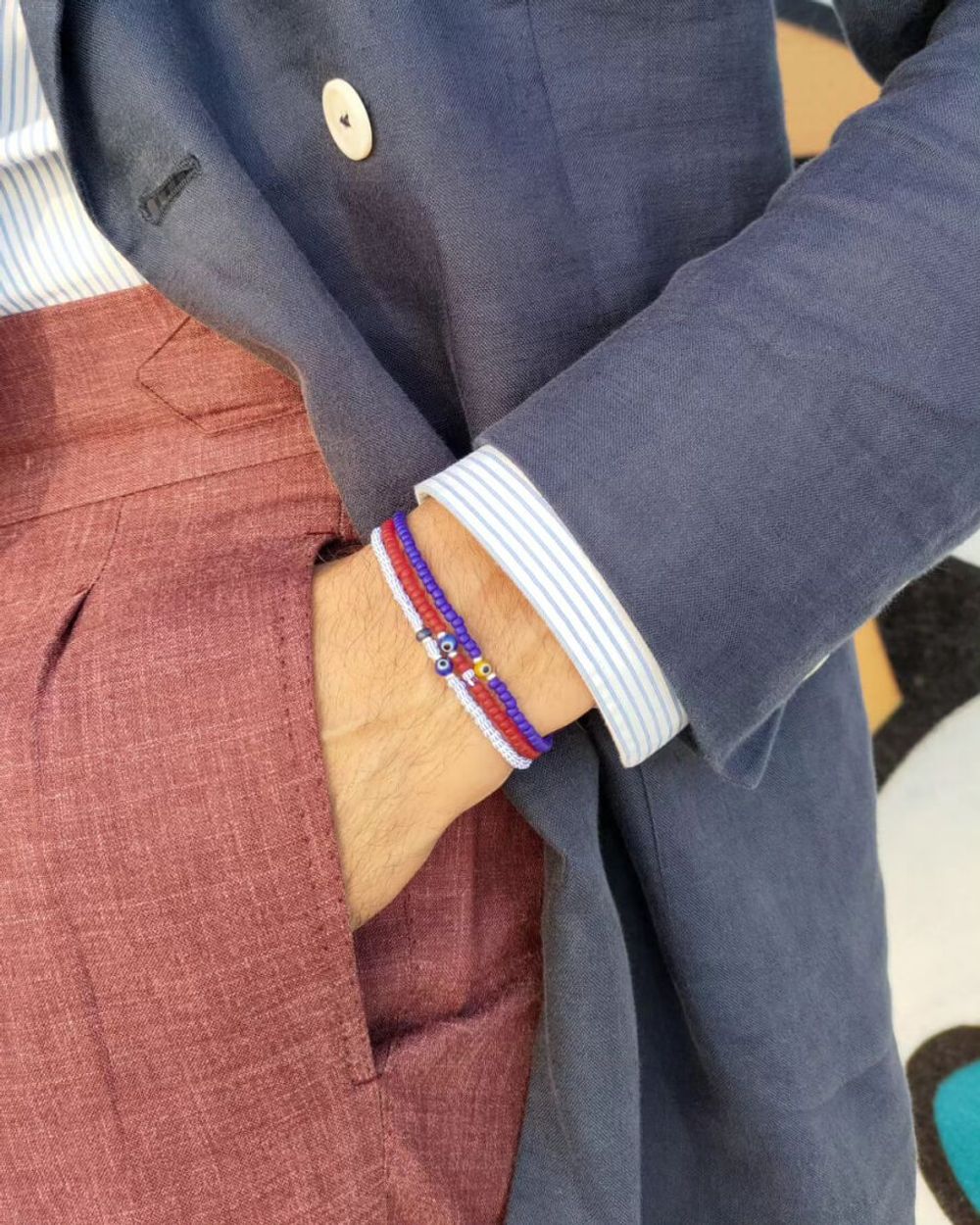
- Cufflinks and pocket squares: These small details can amazingly improve your suit. A silk pocket square in white or complementary color and pattern adds visual interest, while cufflinks provide refined elegance to your shirt cuffs.
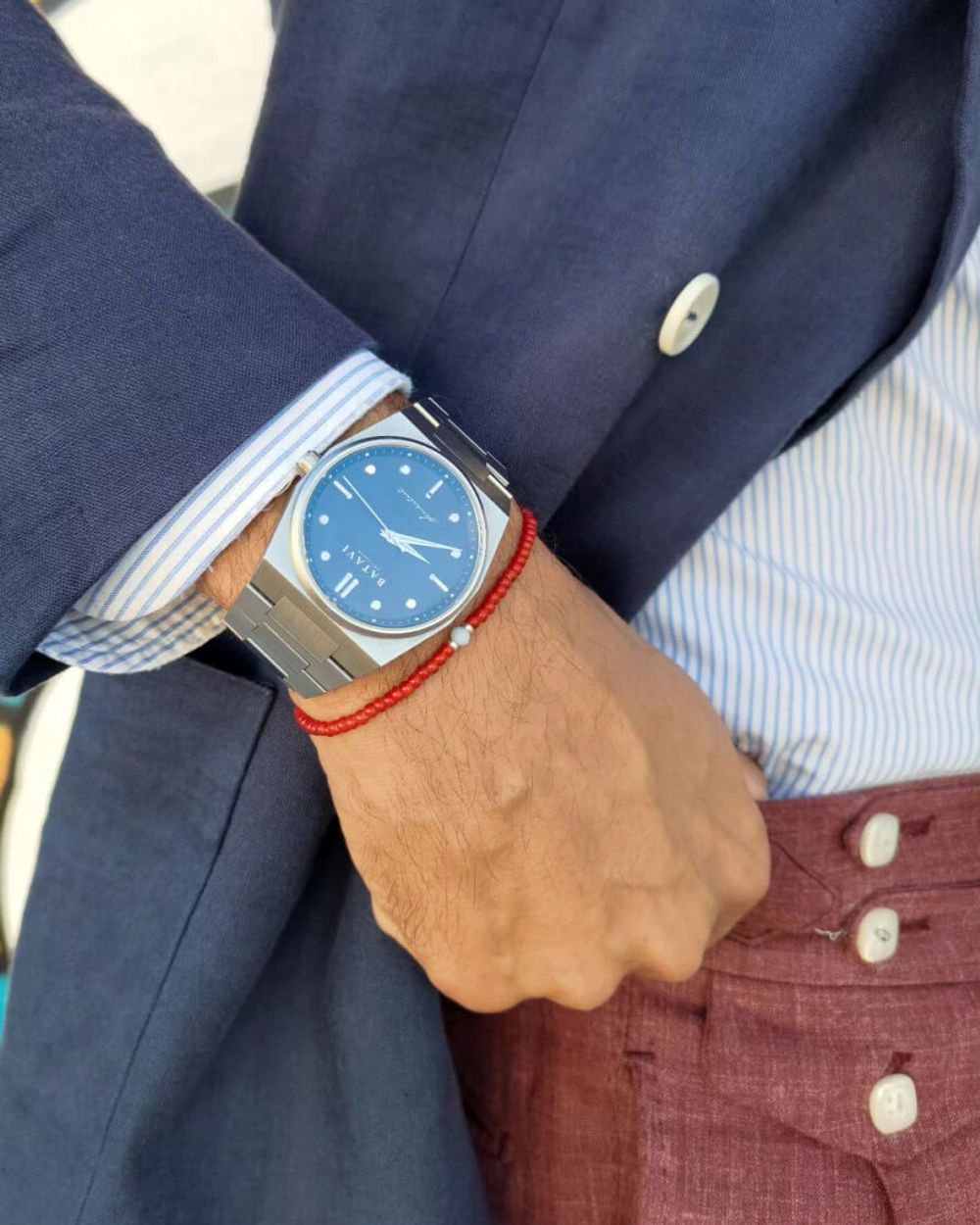
- Belts and watches: Opt for a sleek leather belt that matches the color of your shoes. A minimalist watch with a leather or metal strap gives a sophisticated edge without overwhelming the outfit.

Finally, grooming is just as important as the suit itself. Your hair needs to be neatly styled and facial hair should be well-maintained. A clean and smart appearance adds to the refined nature of a lounge suit, making you look your best anytime.
When to Wear the Lounge Suit Dress Code
The lounge suit dress code is one of the most versatile options, suitable for a wide range of events. Let's go into detail about which suits can be worn on each occasion.
Formal Daytime Events
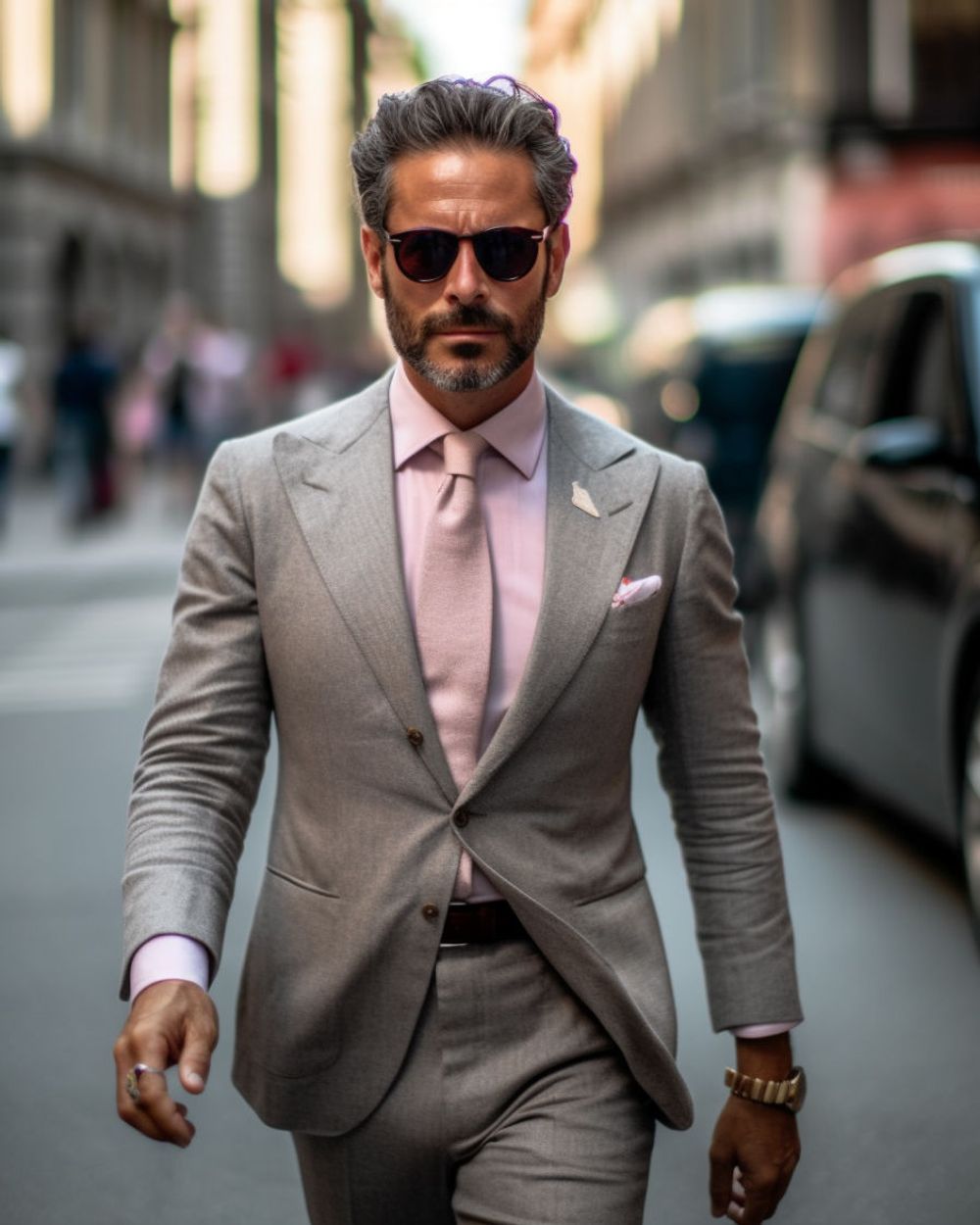
Lounge suits work best for daytime formal events such as weddings, christenings, and upscale luncheons. For these occasions, lighter fabrics and softer colors are the priority, as they reflect the elegance of the event without being overly formal.
Consider a light grey or blue lounge suit, paired with a pastel pink shirt and a matching tie for an approachable look. For outdoor events like garden weddings, a linen or cotton blend suit adds more comfort and breathability. Lastly, complete the outfit with leather penny loafers or brogues.
Evening Gatherings and Semi-Formal Occasions
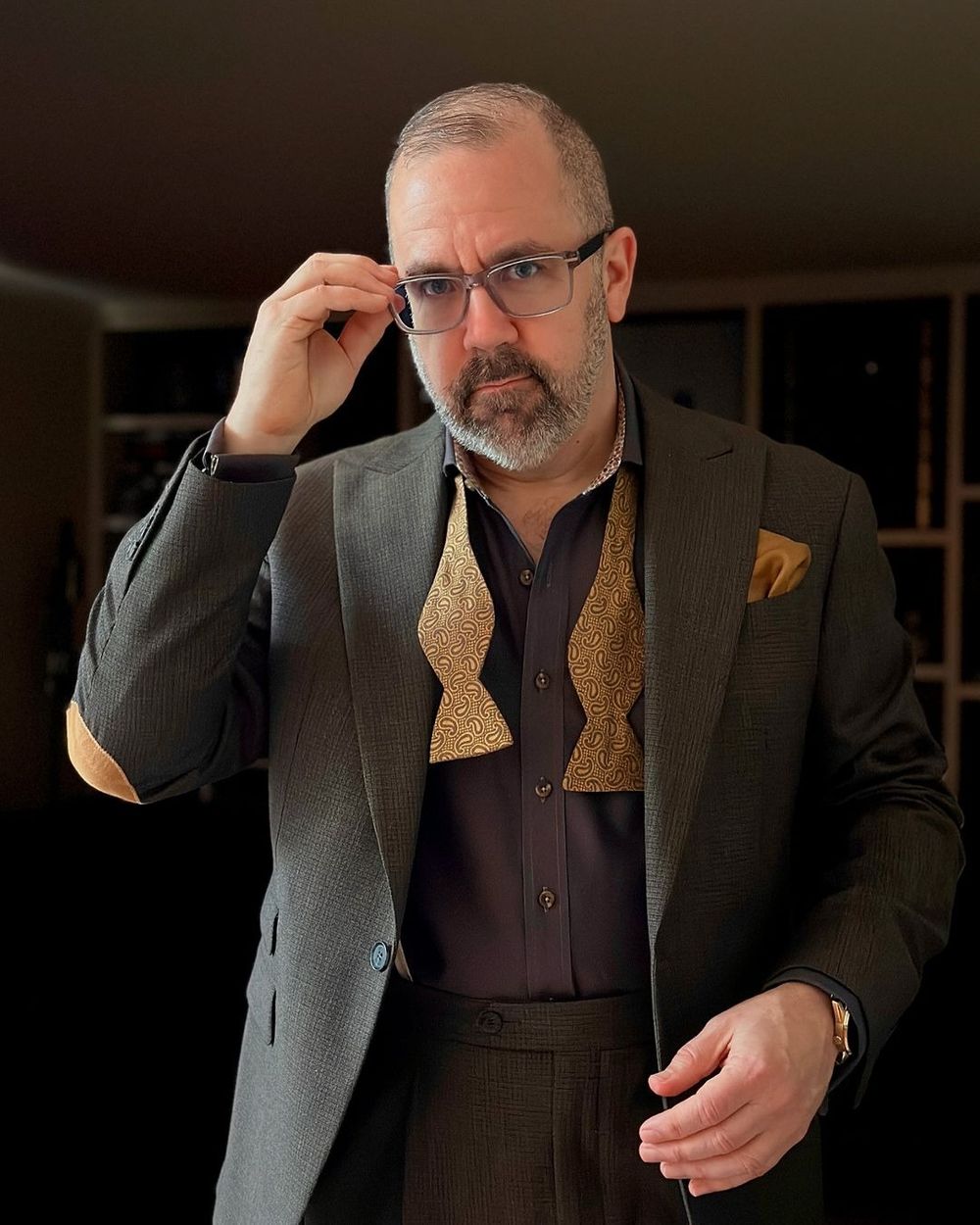
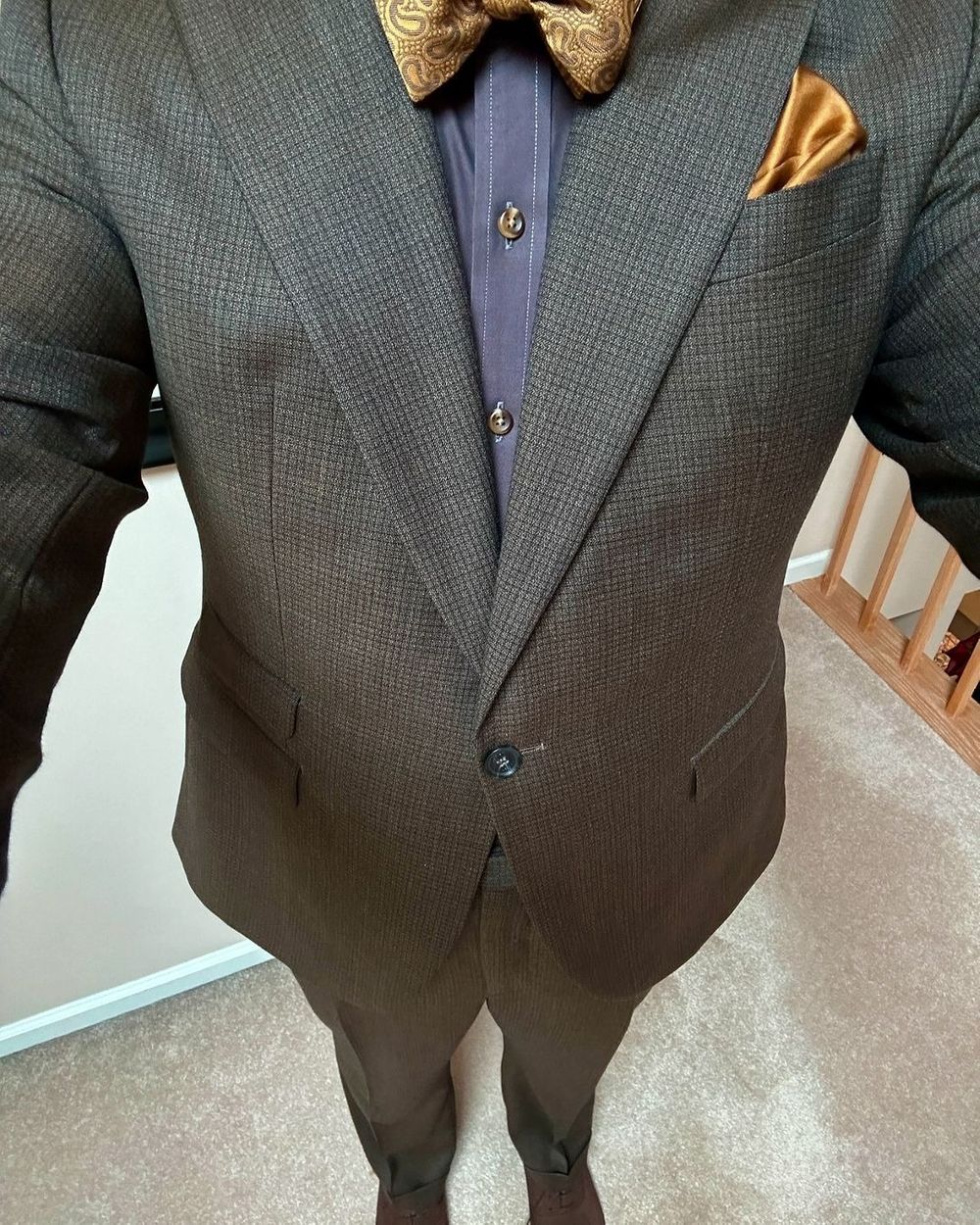
When attending evening events such as cocktail parties, business dinners, or receptions, lounge suits in darker colors are the way to go. Opt for deep tones like black or charcoal, as these convey a more formal and refined vibe.
Elevate your evening look with bold accessories, such as a patterned silk tie, a pocket square, or cufflinks. Pair with polished black dress shoes to make for a classic yet striking combination. For cocktail receptions, adding texture with a corduroy suit can set you apart but still stay within the dress code.

Business and Professional Settings
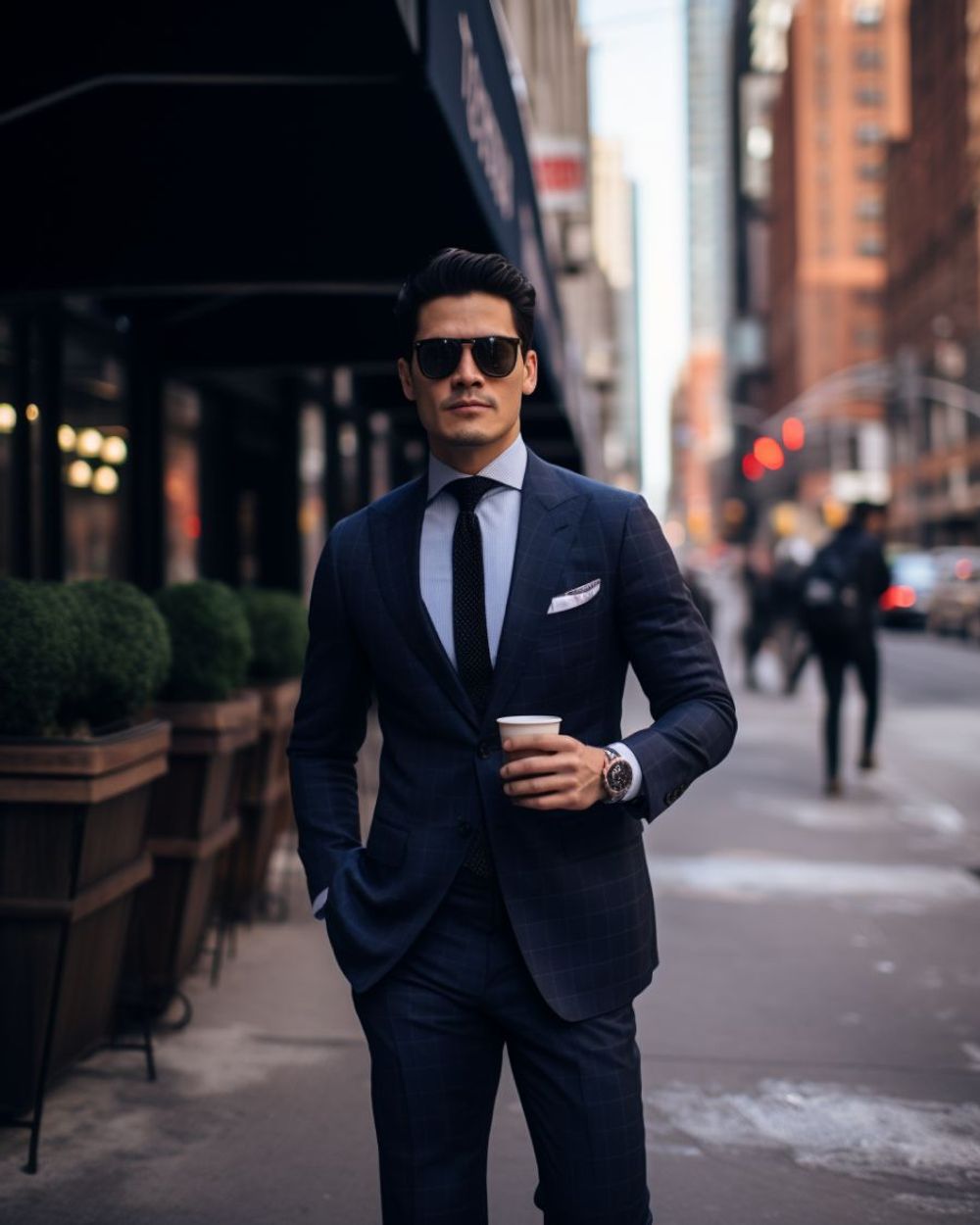
The lounge suit is also an appropriate staple for meetings, conferences, or networking events. When attending these occasions, muted tones and simple patterns greatly project your confidence and professionalism.
A navy suit with a light blue shirt and a minimal tie creates a clean look that works in any corporate setting. Incorporating classic checks to add a touch of personality. Prepare well-polished shoes and a minimalist watch or leather belt to maintain a formal presence.
Lounge Suit Dress Code vs. Cocktail Attire
While the lounge suit dress code and cocktail attire may seem similar, they serve distinct purposes. Lounge suits are slightly more formal and typically worn during daytime or professional events, while cocktail attire is designed for evening gatherings, allowing for more creativity and flair. Both dress codes require polished looks, but cocktail attire leans toward a touch of boldness and glamour.
The main difference lies in formality and styling flexibility. Lounge suits usually feature a matching jacket and trousers in classic, muted tones, paired with a shirt and tie. Cocktail suit, however, allows for experimentation with contrasting blazers, bolder patterns, and rich textures like velvet or tweed, making it perfect for receptions and formal parties. To better understand these two styles, you can also read more about tips for styling cocktail attire.

This article has cleared the “fog” around the lounge suit, making it easier for gentlemen to confidently adhere to this dress code across various occasions. As a classic and versatile choice, lounge suits are promised to always be a vital element in every man’s wardrobe.


